Most titles can now be found on all digital download and streaming platforms of your choice.
October 2026
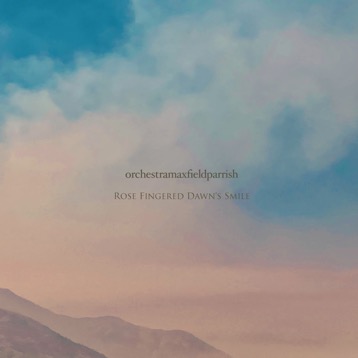
orchestramaxfieldparrish
Rose Fingered Dawn's Smile
fs 115
Produced by Mike Fazio
I touch the sky with roses,
radiating from silence, radiating into silence
- peace
m • ƒ
June 2026
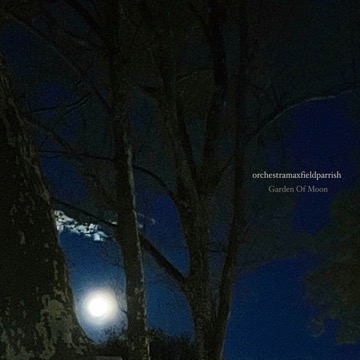
orchestramaxfieldparrish
Garden Of Moon
fs 110
The river moves
slowly
patiently
toward the sea.
And the sea—
the sea does not judge
the sorrow it inherits.
It opens
its endless body
and keeps the dreams alive
in motion.
Because dreams
cannot drown.
They only change shape.
They rise again
as mist
as cloud
as rain
as moons
as the quiet promise
that somewhere
a child
is still listening
to the wind
telling the old stories
again.
…and yet the rivers still flow
and the soil always remembers...
And we dream where the wisteria falls like purple snow.
March 2026
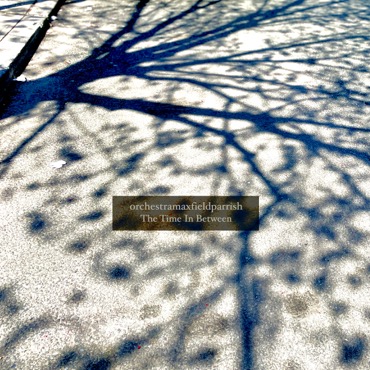
orchestramaxfieldparrish
The Time In Between
fs 108
Let us take some event in the life of humanity. For instance, war. There is a war going on at the present moment. What does it signify? It signifies that several millions of sleeping people are trying to destroy several millions of other sleeping people. They would not do this, of course, if they were to wake up. Everything that takes place is owing to this sleep.
G. I. Gurdjieff
orchestramaxfieldparrish
Ein Plein Air II
fs 105
Part of a pastoral quadrilogy including En Plein Air, Winter Light, Gold Hidden In Dust and En Plein Air II.
It is the function of art to carry us beyond speech to experience.
- Joseph Campbell
December 2025
orchestramaxfieldparrish
Gold Hidden In Dust
fs 104
This music is dedicated to the memories of life with the lions members and lifelong kindred spirits Vincent James and Joe Khejl.
a faith strange recording - fs 104
“Art is the symbol of the two noblest human efforts: to construct and to refrain from destruction.”
— Simone Adolphine Weil
Recorded during December 2024 and forgotten until now. There is truly gold hidden in dust when you actually look for it.
Electric & acoustic guitar, midi/MPE guitar system, field recordings, recording, mastering, photography - M. Fazio
Field recordings captured during desolate Sierra Nevada wanderings, 2024.
Reclaiming the infinite, luminous essence that lies beyond all illusion. In doing so, become agents of change, illuminating the path for others still ensnared by the intricate webs of illusion and control.
- peace.
m • ƒ
June 2025
orchestramaxfieldparrish
Islands
Guitar Improvisations - Volume 13
fs 101
May this be love.
June 2025
orchestramaxfieldparrish
The Curtain Of Dream
Music For Isamu Noguchi
fs 99
This is an aural statement, a series of audio sculptures to celebrate the physical sculptures done throughout one man's life from his earliest works to his death. Being a long time supporter and visitor, I could not help but be inspired by such a place of powerful beauty, this sacred sculpture studio of a man that was so misunderstood, but inspired so many including myself, to explore further, to break down barriers, all doing so within grace and peace and silent harmony with like minded others. Hopefully I have channeled his energy and spirit as he carved stone into eternal art with my interpretation with music.
Sitting and contemplating the sublime works of this man has produced this double digital album today. In a future world, we will return to a musical industry where artists are respected enough to have their works distributed in hard format and not just digital, to those that wish to hear music that way, by those that respect artists, by those that wish to make change. We are not living in that world, hence this recording will be download and stream only on digital platforms that despise the arts and its creators and only view us as profit machines to enable their global destruction.
My hope with this music is to expand other's minds, to explore further and to reflect on the beauty that is all around us and the power to believe in and pursue the future for all, with peaceful change.
- peace,
m • ƒ
_+_+_+_+_+_+_
Isamu Noguchi was a sculptor, but he was so much more than that. “Choreographers and fashion designers and art directors and a whole lot of different people across a really wide creative swath look to Noguchi as a point of inspiration,” says Senior Curator at the Noguchi Museum, Dakin Hart.
Noguchi created this museum in Queens to house a lifetime of his abstract, evocative experiments in stone and metal. Hart says Noguchi was challenging himself with every sculpture. In his later work, Noguchi’s sculptures seem to twist and balance on themselves, undulating with form and texture.
Back in the 1930s, before Noguchi had a signature museum and namesake coffee table, he was a struggling young artist in New York City. He paid the bills by sculpting busts of wealthy people. Noguchi called it “head busting,” and did this type of work to make a little money and also build up his social contacts. Noguchi was as great a networker as he was a sculptor, but head busting wasn’t exactly fulfilling. He wanted to think bigger.
He started to think of a concept for a giant public sculpture, and in his mind, it took the form of a massive pyramid. Try to Imagine a cross between a Mayan temple and a mountain. It pushes out of the earth with a long slide sloping down with steps on two of its faces. Essentially, it’s like an asymmetrical Egyptian step-pyramid. Noguchi thought of it as a playground, and he called it Play Mountain.
This giant ziggurat wouldn’t come with any specific instructions. It would have no rules and no single obvious way to play with it. Noguchi wanted Play Mountain to be a strange new landscape that would dare children to imagine other realities so that perhaps they could grow up into creative, open-minded adults. In fact, the concept for Play Mountain started for Noguchi when he was a little boy.
Isamu Noguchi was born in Los Angeles in 1904. His father Yone Noguchi was a famous Japanese poet and his mother was an American writer named Leonie Gilmour. Before Isamu was born, his father went back to Japan. Noguchi and his mother eventually followed, but by that point, Noguchi’s father had already started a new family. Leonie and Isamu Noguchi ended up moving to a countryside town called Chigasaki. Noguchi’s bright blue eyes marked him as an outsider to the other kids at school, so his childhood was pretty lonely. But from their little house, Noguchi had a great view of Mt. Fuji just like a perfect little pyramid. “…Imagine taking Mt. Fuji and turning it into a giant play structure, I think that’s what Play Mountain was,” describes Hart.
Noguchi even wrote: “Play Mountain was my response based upon memory of my own unhappy childhood — the desolate playground on a cliff in Tokyo which I approached with dread. It may be that this is how I tried to join the city, New York. To belong.” Noguchi wanted to move the mountain from his lonely childhood and reincarnate it as a place for gathering and playing as a gift to the children of New York City.
In 1934, Noguchi got a meeting with Robert Moses, who was the newly appointed Commissioner of the New York City Parks Department. Moses had said his number one priority was to build more playgrounds in the city, which at the time had very few.
The playgrounds Moses envisioned were simple — asphalt or dirt surrounded by a chain link fence, with the Four S’s of playground equipment: swings, slide, sandbox, seesaw – all made out of steel. Moses was planning to just plonk these generic playgrounds in vacant lots all over the city by the hundreds. Noguchi’s massive, ambiguous, otherworldly urban mountain, would have required the movement of huge amounts of earth and concrete and probably would have cost a ton of money, so Noguchi’s play mountain was rejected.
The concept of Play Mountain remained very close to Noguchi’s heart. As Noguchi himself wrote, “Play mountain was the Kernel out of which have grown all my ideas relating sculpture to the earth.” It represented this idea that Noguchi had — that children didn’t need instructions to play. With swings or a slide, there’s only one way to use them and kids just do the same prescribed activities over and over again. If you give children an abstract, surreal landscape, they will be able to interpret it however they want. This philosophy would later be called “non-directive play.” Noguchi never gave up on his design theory of non-directive play, but by then the year is 1941, and things are about to change.
–≠–≠–≠–≠–
Noguchi was in California visiting a friend when he first heard the radio announcement that Japan had attacked Pearl Harbor. With the U.S. entering WWII, contoured playgrounds were forgotten by both the Parks Department and Noguchi because there were bigger stakes now.
Two months after the attack on Pearl Harbor, President Roosevelt signed Executive Order 9066 which gave the American military the right to declare martial law in any part of the country that it deemed necessary to protect the homeland. This meant that Japanese and Japanese Americans in the western part of the United States would be rounded up and removed from their homes.
Noguchi wanted to assist in the situation, so he went to Washington D.C. to find a man named John Collier to help. Collier was the head of the Bureau of Indian Affairs. Because the government needed to build concentration camps in large, open areas of federally controlled land, they decided to build two of them on Native American reservations. This meant that the actual undertaking of building and administering these camps would fall to John Collier’s department.
John Collier was a relatively progressive person. He wanted to give tribal governments more autonomy, protect tribal land, help build economic stability, and support Native American culture. And then suddenly he had been given the task of designing and building prison camps on reservation land. Noguchi reached out to him to talk about what they could do with this assignment since there was no way to prevent internment from happening.
Their idea was to try to turn this into a kind of utopian project. If this was going to happen, they were going to try to make it as good as it could be. Noguchi drew up a suite of plans for the largest of the camps being built in Poston, AZ. Noguchi took the rigid grid of a military-style camp, with rows and rows of tarpaper barracks, and cut an avenue right down the middle of it, lined with public services: schools, gardens, hospitals, restaurants, a department store, a movie theater, a church, and of course, playgrounds.
Noguchi and Collier decided that Noguchi should actually go to this concentration camp in Poston Arizona, voluntarily, and live there while he carried out his plan. The camp was being constructed in the middle of the desert, in the southwestern part of Arizona, on the Colorado River Indian Reservation.
As soon as the camp opened, it became clear that the people weren’t coming there for an idyllic new lifestyle because they were prisoners. To the camp administrators from the War Relocation Authority, Noguchi looked just like another one of the prisoners. Also, because he had some special privileges, the other prisoners assumed he was a traitor in cahoots with the camp administrators.
“He immediately realized he was sort of the worst of both worlds. Because he was just an internee from the administration’s point of view, and he was a turncoat, like a spy, from the other internees’ point of view,” says Hart. After about two months, Noguchi realized that The War Relocation Authority had no interest in making Poston a nice place to live. Instead, they ran it like a prison camp and disregarded all of John Collier’s and Noguchi’s idealistic plans.
When Noguchi gave up on his vision to improve Poston, he realized he was unable to leave because of his identity as a Japanese American. Noguchi was suddenly a prisoner and had made enemies of internees and administrators alike. It took seven months, and many many letters and phone calls before John Collier was able to get Noguchi out for good.
The whole experience was painful for Noguchi. His goals had been so compassionate going in. But racism and fear and bureaucracy killed those dreams and then imprisoned him. After Poston, the idea of designing public works and playgrounds must have seemed wrong somehow. How could you think about playgrounds when there’s so much cruelty in the world?
Once he was back in New York, Noguchi threw himself into the art world designing furniture and making sculptures. Noguchi stepped back from his utopian ideas about art and sculpture, and this is the period when he designed some of the things he’s most famous for today, including the iconic coffee table.
But after a decade of looking inward, indulging in the art world, Noguchi turned his sights back to playgrounds. He couldn’t shake the thought that playgrounds were the perfect way for a sculptor to make real change in the world. He tried two more times to build playgrounds for New York: once in 1950 at the new UN building, another in the early 60s in Riverside Park. These plans were even more complex and strange and wonderful than the ones before, but both were ultimately killed by the city through very long, very brutal, very public battles.
But in this round of rejections, something was different. Noguchi was now very famous and everyone in the art world had heard about all his rejected playground designs. His ideas had been written up in newspapers, and the models were displayed in museums. Other artists and architects began copying them and it became a movement of playground design called the “abstractionist” strand.
These playgrounds don’t tell you what to do. You can play with an abstract form any way you want, and imagine it as anything you like. But by the end of the 1970s, the abstract playground movement went underground because the entire world of playground design in the United States changed dramatically.
A two-year-old boy named Frank Nelson was climbing a 12-foot-tall slide in a Chicago park when he slipped through a railing and hit his head so hard that it caused permanent brain damage. The park system of Chicago was sued and had to pay out millions of dollars to Nelson’s family.
At that time, in the late 70s, there were no laws or real industry standards when it came to the safety of playground equipment. Frank Nelson’s fall was one of a number of lawsuits that led the Consumer Product Safety Commission to publish the Handbook for Public Playground Safety in 1981. Then another standards organization, the ASTM, published its own guidelines. Pretty soon these rulebooks were in the hands of insurance companies and parks departments and school boards across the United States. To this day, almost all playgrounds have to be approved by a certified playground safety inspector.
And safety inspectors look for places where kids could fall, or get pinched, poked, or trapped. As you might imagine, all of these rules and regulations make the job of playground designers a lot harder. This is the reason why the playgrounds that you see everywhere all look more or less the same. A majority of playgrounds are “post and deck” systems with standard swings, slides, and monkey bars in one piece of equipment.
Scott Roschi is the creative director at Landscape Structures and he says the kind of abstract playgrounds that Noguchi inspired are starting to re-emerge. “Designs of today are echoing a lot of what Noguchi’s concepts were. They’re still relevant today, we’re starting to bring them back in a lot of custom playground design,” says Roschi. And this goes back to Noguchi’s concept of non-directive play, if adults are confused by a piece of play equipment, it often means kids will be all over it.
Although there are no playgrounds in New York City with Noguchi’s name on them, his ideas – about imagination, and freedom to play – have left a deep mark on playground designers, and are shaping the emerging playgrounds all around us.
Noguchi’s model for Play Mountain remained on display in his Long Island City museum until January of 1988. At this point, he was 84 years old when a man from Sapporo, Japan came to visit his Long Island City museum and told Noguchi that he thought he could get one of Noguchi’s parks built in Sapporo.
Noguchi started designing play structures and earthworks for the park with his longtime collaborator, the architect Shoji Sadao. But in the winter of that year, he came down with a cold which turned into a terrible case of pneumonia that ultimately took his life shortly after. Noguchi died on December 30th, 1988, having designed the vast majority of the park. His collaborator, Shoji Sadao, continued to work on it. From Noguchi’s death at the end of 1988, Moerenuma Park took 17 years to build and finally opened in 2005.
“It’s enormous … 454 acres – that’s bigger than Central Park,” says Dakin Hart. “It is kind of an amalgamation, a greatest hits, of all of Noguchi’s un-executed land and playground ideas, in one spot.” It’s this huge green swath of land, tucked into a bend in the river. There are forests of his candy-like play equipment, mounds and pyramids and swooping paths, an enormous conical hill to climb, a huge fountain that cycles through an hour-long water show.
Isamu Noguchi was never able to take in the view from the peak of his creation, the sculpture he’d spent his whole life dreaming about, like a mountain teleported from the wild alien planet of his mind, the one place he ever felt he really belonged. Noguchi wanted us to see the world as if we were visiting for the first time, to move our bodies through space as if the simple facts of gravity and contour were brand new delights. He wanted us to look around with wide eyes, to feel with outstretched fingers, and to imagine infinite possibilities. In other words, he wanted us to live like kids on a playground.”
Jackson Wiley Roach,
99percentinvisible.org
orchestramaxfieldparrish
Islands
Guitar Improvisations Volume 13
fs 101
May this be love.
April 2025
orchestramaxfieldparrish
Further Voices
fs 97
Memories are voices born in a landscape and will always return to that landscape once again.
orchestramaxfieldparrish
Voices In Memory
Guitar Improvisations Volume 11
fs 96
“He folded his fear into a perfect rose. He held it out in the palm of his hand. She took it from him and put it in her hair.”
* Arundhati Roy
orchestramaxfieldparrish
Ēostre
fs 98
5. The English Months
In olden time the English people -- for it did not seem fitting to me that I should speak of other people's observance of the year and yet be silent about my own nation's -- calculated their months according to the course of the moon. Hence, after the manner of the Greeks and the Romans (the months) take their name from the Moon, for the Moon is called mona and the month monath.
The first month, which the Latins call January, is Giuli; February is called Solmonath; March Hrethmonath; April, Eosturmonath; May, Thrimilchi; June, Litha; July, also Litha; August, Weodmonath; September, Halegmonath; October, Winterfilleth; November, Blodmonath; December, Giuli, the same name by which January is called. ...
Nor is it irrelevant if we take the time to translate the names of the other months. ... Hrethmonath is named for their goddess Hretha, to whom they sacrificed at this time. Eosturmonath has a name which is now translated "Paschal month", and which was once called after a goddess of theirs named Eostre, in whose honour feasts were celebrated in that month. Now they designate that Paschal season by her name, calling the joys of the new rite by the time... more
Guitar drones, effects, field recordings, frame drum, metals, loops, computer - Fazio
March 2025
orchestramaxfieldparrish
Winter Light
fs 94
Meditations on Impermanence:
I am in the last decades of life, and sometimes I feel that my country and our species are also nearing end times. The despair I feel about the world would ruin me if I did not know how to find light. Whatever is happening in the world, whatever is happening in our personal lives, we can find light.
This time of year, we must look for it. I am up for sunrise and outside for sunset. I watch the moon rise and traverse the sky. I light candles early in the evening and sit by the fire to read. And I walk outside under the blue-silver sky of the winter. If there is snow, it sparkles, sometimes like a blanket of diamonds, other times reflecting the orange and lavender glow of a winter sunset.
We can watch the birds. Recently, it was the two flickers at my suet feeder with the yellow undersides of their wings flashing, the male so redheaded and protective, the female so hungry. Today, it may be the juncos, hopping about our driveway, looking for seeds. The birds are always nearby. Their calls are temple bells reminding me to be grateful.
In our darkest moments, art creates a shaft of light.
We will always have the light of memory.
Deep inside us are the memories of all the people we’ve ever loved. I’m suffused with light that reminds me that I have had such fine people in my life and that they are still with me now and coming back to help me through hard times.
Every day I remind myself that all over the world most people want peace. They want a safe place for their families, and they want to be good and do good. The world is filled with helpers. It is only the great darkness of this moment that can make it hard to see them.
No matter how dark the days, we can find light in our own hearts, and we can be one another’s light. We can beam light out to everyone we meet. We can let others know we are present for them, that we will try to understand. We cannot stop all the destruction, but we can light candles for one another.
- Dr. Mary Pipher
orchestramaxfieldparrish
The Heart That Speaks In A Spiral Moment
fs 92
“There do exist enquiring minds, which long for the truth of the heart, seek it, strive to solve the problems set by life, try to penetrate to the essence of things and phenomena and to penetrate into themselves. If a man reasons and thinks soundly, no matter which path he follows in solving these problems, he must inevitably arrive back at himself, and begin with the solution of the problem of what he is himself and what his place is in the world around him.”
- G. I. Gurdjieff
Mike Fazio - Guitarsonics (hybrid analog and computer guitar system), Recording, Mastering, Photography
October 2024

orchestramaxfieldparrish
In A Land Of No More War
fs 87
August 2024

orchestramaxfieldparrish
Against The Wind, Against The Sky
Guitar Improvisations Volume 11
fs 85
The eleventh improvised work utilizing guitar and real time manipulation of digital and analog effects. Recorded on the eleventh of August, 2024 at Sons Of The Silent Age, in one take.
Electric Guitar, Recording, Mastering, Photography - M. Fazio
A faith strange recording - fs 85
One time, one time. The unrepeatable nature of a moment.
July 2024

orchestramaxfieldparrish
Cantus Novus - Black Madonna
Guitar Improvisations Volume 10
fs 84
All hail, the coming of the New Age, for it is the new that replaces the old.
July 2024

orchestramaxfieldparrish
L'atmosphère
fs82
There is no reason to look back toward his origin: everything that came before appears at toytown scale against the enormity of his present purpose.
Curtains of flames replace the alchemical sun of his old world. In this lacerated empyrean, the planetary bodies move like clockwork.
A cosmic machinery whirring along in adherence to laws yet to be discovered.
This land seems to us fixed for eternity, sitting on century-old foundations, crowned by a sky at times pure and at times cloudy, extended so as to form the unshakable foundation of the universe.
The Sun, the Moon and the stars seem to turn around her.
The Life Electric
L’atmosphère
Le Stelle
This is stream of consciousness. This is music improvised and performed in a sacred sanctuary at 4am as a new dawn arrives, never to be repeated the same again.
- peace.
m • ƒ
“I would like to know the stars again as the Chaldeans knew them, two thousand years before Christ. I would like to be able to put my ego into the sun, and my personality into the moon, and my character into the planets, and live the life of the heavens, as the early Chaldeans did.”
— D.H. Lawrence
Available digitally everywhere.
April 2024

orchestramaxfieldparrish
And Rise To Sky
fs 75
March 2024

orchestramaxfieldparrish presents ÆRA
Engineered God
fs 74
February, 2024

orchestramaxfieldparrish
En Plein Air
fs73
Digitally in 24 bit at select outlets.
In 16 bit at all others.
November 2023:

orchestramaxfieldparrish
The Wandering Moon
fs71
Hi-Res Lossless 24 bit / 96 K version available through Apple Music, Amazon HD and Tidal.
16 bit CD quality downloads from:
Juno and everywhere else:
https://music.imusician.pro/a/QUPgXSaJ

October 2023:

orchestramaxfieldparrish
Caught Between The Impenetrable Stars
fs70
“Most men and women lead lives at the worst so painful, at the best so monotonous, poor and limited that the urge to escape, the longing to transcend themselves if only for a few moments, is and has always been one of the principal appetites of the soul.”
― Aldous Huxley
Hi-Res Lossless 24 bit / 96 K version available through Apple Music, Amazon HD and Tidal.
16 bit CD quality downloads from:
November 2023

orchestramaxfieldparrish
The Great Theatre Of Mirrors (Guitar Improvisations Volume 7)
fs53
Hi-Res 24bit / 96K remaster is now available:
The Great Theatre Of Mirrors
October 2022:

orchestramaxfieldparrish
Ladder Of Light
fs65
Previously unreleased archival recording from 2012.
Recorded directly after All At Once The Remote Go Forth My Soul And My Seeking, The Unknowable Becomes Known in 2012, which was released by Ian Holloway's Quiet World label from Wales, I was approached by another independent label on the strengths of that release. This session was done during the same week and I thought it would be appropriate for this request. After initial discussions about distribution, delivery of final master and considering it a done deal, all contact with them went unanswered and became futile. Later I found out the company quietly went out of business and closed down. Until this day I do not have the master 1/2" tape I sent, but thankfully I still had the original 8 track reel to reel tapes.
The session was done with one improvisational pass of electric guitar, a chambered body Klein that was made for me by Lorenzo German, alternately tuned, into a four amplifier setup with about 8 fuzz boxes and several other devices. Additional noises were done on a prepared guitar set up, ie: Fred Frith, Keith Rowe. The field recordings were all taped from a portable DAT recorder that was my trusty companion for many years, further manipulated and contorted in a laptop.
I eventually lost track of this session until recently I came upon it and once again listened back to it and thought it was suitable for release at this time and did a proper remastering of the music.
Here is the original finished work, albeit redone from slightly deteriorated analog tapes at this point. But knowing things like this are fashionable now, maybe some will find this fashionable as well. Looking back, this sounds a bit like a revisiting of my Silent Breath Of Emptiness from 2008, but in a distinctly more experimental, industrial, Musique concrète vein and it foreshadows some of my present Guitar Improvisation releases, but to be honest, I have been playing like this for decades for those who have not been a part of my journey. I think I had Organum in mind when recording this as I often do. The cover photo was taken from one of my many Colorado wilderness hiking sojourns.
We climb from out of the abyss on a ladder of light.
With peace,
M. Fazio
October 2022
Spring 2022:
Three new orchestramaxfieldparrish albums to be released.

orchestramaxfieldparrish
Four Thousand Trees
fs64
"One of the best ambient albums of 2022" - textura
Limited edition 10" clear vinyl handmade lathe cut with handmade cover and printed insert, of which only 25 are publicly for sale.
Recorded between July 27, 2021 through December 17, 2021.
Consists of 2 long form compositions which will also be released digitally in 24 bit fidelity.
Inspired by and dedicated to Ziya Abay.
Side A - Island Of Memories - 12:40
Side B - Four Thousand Trees - 13:22
______
orchestramaxfieldparrish
Ancient Exiles, Tell Me About Your Seas
fs62
A new full length album produced during March 2022.
This is the logical successor and fourth chapter in the deeply personal musical path first started with Crossing Of Shadows, followed by Instant Light and then continued on The Mysteries.
1. Farewell here, no matter where. - 07:44
2. the breaking wave - 14:36
3. It’s found we see. – What? – Eternity. It’s the sun, mingled with the sea. - 05:26
4. As for the world, when you emerge, what will have become of it? Nothing, in any case, of its present seeming. - 04:36
5. Arrival from forever, you who’ll depart everywhere. - 10:32
6. …it shall be a place for the spreading of nets in the midst of the sea. - 05:20
This will be a 24 bit digital release on June 1, 2022.
_______
orchestramaxfieldparrish
Passio - The Exiles Companion
fs63
This short ep length (15 minute) three track release is a vastly stripped down rendering of Ancient Exiles, Tell Me About Your Seas using only organ as it's focus and will be released at the same time as Ancient Exiles.
1. частина перша - 04:24
2. частина друга - 05:28
3. частина третя - 05:10
The orchestramaxfieldparrish project after many years, has now moved onward, as of the release of The Clouds Of Michelangelo on textura in 2019:
https://textura.bandcamp.com/album/swallowed-by-the-sky
and has been divided into three distinct musical projects being released since the past 3 years and will continue to do so as:
orchestramaxfieldparrish
Guitar Improvisations
ÆRA
These three new releases fall under the small orchestra scenario utilizing performances of guitar, other stringed instruments, keys, percussion and vocals of orchestramaxfieldparrish, with strictly guitar generated live compositions being released under Guitar Improvisations and mostly synthesizer generated live compositions being released under ÆRA.
All three divisions are 100% improvisational in nature.
- peace.
www.faithstrange.com
https://faithstrangerecordings.wordpress.com
https://www.instagram.com/faithstrange_recordings/
January 2022
orchestramaxfieldparrish - A Quiet Sun (Guitar Improvisations Volume 9)
fs56
recorded January 2022

info:
August 2021:

orchestramaxfieldparrish - The Great Conjunction (Guitar Improvisations Volume 8)
fs56
recorded July 2021
June 2021:
orchestramaxfieldparrish - The Great Theatre Of Mirrors (Guitar Improvisations Volume 7)
fs53

November 2023
Hi-Res 24bit / 96K remaster is now available:
https://music.imusician.pro/a/4r0K8ynF
Recorded June 2021
I Am The Soul
I Am The Light Divine
I Am Love
I Am Will
I Am Fixed Design
Remastered May 17, 2023 using a reproduction of the EMI recording desk used for Dark Side Of The Moon.
April 2021:
orchestramaxfieldparrish - After The Rain / The Mysteries

Artist Statement:
In 2007, I began a most introspective journey of capturing my childhood into musical statements as sort of a time capsule, a backwards glance for myself, one that was yearning to be released and be set free, into the world. Unable to and not being interested in taking on such a task since my own earliest days of first venturing into the world of musical expression during the 1980’s, the time had now come to spread my wings. This existential result was Crossing Of Shadows, an album that I will forever be proud of and had been fortunate to have produced and will forever be at peace with. Later on I realized that this metaphysical journey I was embarking on might also serve as a window for those I had known in my own life as well as for those not yet known, who might have somehow had a similar journey for themselves and would welcome the opportunity of a backwards glance, one that had been long forgotten or a deliberate attempt to suppress was previously made. The second statement in this very personal journey resulted in the release of Instant Light years later. Windows of other times, other lifetimes, future lifetimes. An embrace of light as well as the shadows between the rays of light. For each cannot exist without the other.
Although this all would be ultimately impossible for others to fully grasp since we are all unique and have been formed throughout the years with the essences of each of our distinctive pasts, our joys and accomplishments and scars that have been left upon our individual souls.
This past year, for all of us, was one of intense introspection, yearning, sadness, disbelief, anger, darkness. I made the conscious decision very early on that I, as well as all that were around me would not be stilled, fallen, darkened, that I would expend as much positive energy as my mortal being could muster in order to guide myself and hopefully others that have touched my heart towards a light. A light that was intentionally being held from all and still is to some. Beginning in March 2020, and unable to realize my travel plans, I returned to working at night, sometimes all night long, in order to translate my thoughts through spontaneous improvisation directly to hard drive. Coupled with my voracious appetite for reading ancient texts, mythology, theosophy and world history by day and trying (as much as I possibly could) to avoid the deluge of negativity from the American political, moral, ethical and cultural collapse.
The death of Genesis P-Orridge in March of 2020 who I had been lucky enough to have crossed paths with was the impetus and strength to finally finish A Guide For Reason’s ‘Amerika (The Revolution Will Not Be Televised)’, which began in early 2018 and with Gil Scott-Heron’s lyrics from 1971 eerily forecasting the events of our times. The freshly-painted mural of Scott-Heron on the side of a bodega I came upon one sunny Summer morning on Avenue D in Loisaida gave the initial inspiration. It is Genesis and Gil that the release is dedicated to. Thus began a new musical chapter for me, one that I had no idea how would manifest itself and one which I had no intentions on directing its course.
The A Guide For Reason project began as music sharing between myself and Peter Christopherson during the last days before his untimely passing, whilst he was just forming the X-TG project, as we had connected through MySpace, at the time, the only digital platform that allowed totally unfettered musical expressionism between like-minded artists, unfortunately ending too soon and before our present day musical state of total self-gratification and its lack of grassroots musical communities, all caused by intentional materialistic corporate social media currents as we now have. My long time love for the COIL project and all that were connected to it has and always will be a guiding force for AGFR so long as I decide it will continue as a vehicle for personal expression.
Shortly afterwards in the Summer of 2020, my focus returned to the orchestramaxfieldparrish project with the result of completing and releasing the 6 volume Guitar Improvisations set. Enveloped within the midst of the pandemic, with skyrocketing manufacturing and postage costs, with no where to play live and the growing trend for listeners to streaming services and away from traditionally collected musical formats due to increasing worldwide unemployment and despair, it was impossible to release this box set on CD or LP even though elaborate artwork was created for both formats and preliminary orders were established for manufacturing (thinking that this incredibly dark chapter for us would be ending soon) all ultimately abandoned. Instead releasing it on USB drive (a platform that Peter had embraced) with the addition of a printed book, I felt that that would be adequate at the time, albeit a poor substitute for my original intentions.
Being purely guitar based and having decided that this sprawling collection was a healthy enough statement for my own solo guitar expression, I once again returned to other instruments, treatments and processing to incorporate into guitar generated statements, as was the case for Crossing Of Shadows and Instant Light. The result was not one, but two volumes: The Mysteries and After The Rain. Both improv based but grounded in the Neo-Classical and most importantly, centuries-old Devotional musical traditions of several past ancient cultures, particularly relying on heavy use of silence and dynamics. Again, being mired with pandemic consequences for independent artists to release music on hard formats and with After The Rain resulting in a double LP of music, I made the decision to release these two volumes as digital editions with a limited edition compilation planned for double CD for those that still wish to have music in this format.
Thus, The Mysteries and After The Rain continue my original concept I had envisioned back in 2007. A quadrilogy or tetralogy so to speak, at least for now.
“Follow your bliss. Find where it is, and don’t be afraid to follow it.” - Joseph Campbell
Mike Fazio
NYC
** For International inquiries:
You might be better with postage from your individual Amazon website and eBay sellers that are carrying After The Rain / The Mysteries


September 2020


orchestramaxfieldparrish - The Mysteries - fs 47 / AfterThe Rain - fs 49
Both in digital download and streaming formats available Summer, 2021,
Limited edition double CD compilation now available exclusively through faith strange.
August, 2020


released August, 2020:
orchestramaxfieldparrish - Guitar Improvisations Volumes I - VI
(strange box three)
Strictly one time limited edition of 100.
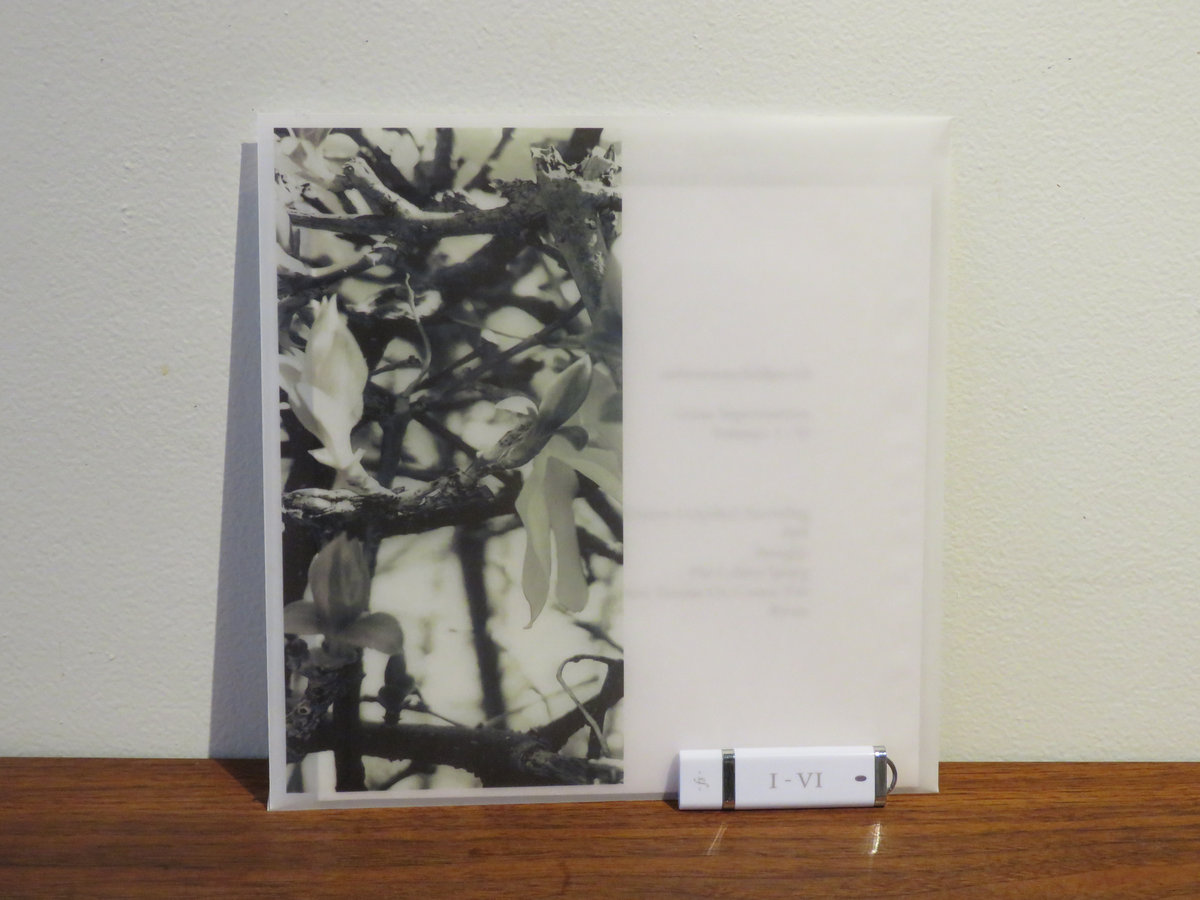
6 new albums with 32 page 4 color printed perfect bound book, handmade OBI and 4 color printed vellum outer sleeve.
Recorded between February 1, 2020 through May 6, 2020 in New York City.
All 6 albums published in WAV audio on printed USB drive.
Mastered in 64 bit High Definition audio.
Volume I - Unseen Unspoken Ascending (fs38)
Volume II - Path (fs39)
Volume III - Paisaghji (fs40)
Volume IV - The Coldest Spring (fs41)
Volume V - A New Treatise On Cosmic Fire (fs42)
Volume VI - Ævum (fs43)
These guitar improvisations were entirely done spontaneously and manipulated, treated, looped and mixed in real time to stereo. There was no thought beforehand that went into these stream of consciousness performances other than a very human response to the pandemic that has befallen our beautiful world in the Spring of 2020.
This compilation of six albums is dedicated to all the innocents that lost their lives and those that will lose their lives to something I deeply feel was totally avoidable on many levels, if indeed, the world had the proper ethical governmental, corporate, humanitarian and environmental leadership to have stopped this mass murder beforehand.
May all that need this music, find this music.
- peace.
M. Fazio
Purchase here
from textura:
orchestramaxfieldparrish: Guitar Improvisations (Volumes I - VI)
Faith Strange
Mike Fazio's six-volume Guitar Improvisations is an extraordinary document of unfiltered, real-time artistic expression; witnessing the live creation of material by a single musician, especially when it's so marked by honesty and authenticity is an always special experience. A more personal statement by him couldn't be imagined as everything associated with it was created him—music, production, mastering, photography, and packaging. It's available as a download, naturally, but is best experienced in its physical form, Fazio having prepared a 100-copy edition that sees a USB drive containing the volumes' tracks packaged with a thirty-two-page booklet inside a semi-transparent vellum sleeve. Adding to the poetic dimension of the project, quoted passages by Rumi (“As you start to walk on the way, the way appears”), Albertus Magnus (“Heaven is moved by a soul that is conjoined to it”), and others accompany the respective set-lists. (In the spirit of full disclosure, orchestramaxfieldparrish material has appeared on two of textura's four releases. Enthusiastic endorsement of this new release originates, however, not out of a desire to support an artist whose efforts have enriched our products; it's more the case that the exceptional quality of this six-volume set reminds us once again of the many reasons why we approached Fazio in the first place to be a part of textura's releases.)
Recorded between February and May 2020 in New York City, the pieces (all first takes) were done as stream-of-consciousness performances; whatever manipulations, treatments, and loops are present also happened in real time. Fazio describes the settings as pure expressions aside from the fact that they also symbolize his personal response to the pandemic and are dedicated to the vast number of people whose lives were lost to it. The three-and-a-half hours of guitar playing are accompanied in a couple of instances by field recordings collected in Colorado and Wyoming during the fall of 2019 (bird twitter in “Valya's Willow,” for instance). As listeners familiar with his earlier work are aware, Fazio is a master of texture, and to that end the pieces' linear expressions are augmented by layers of atmospheric elements.
The six volumes present twenty-four pieces, each distinctly titled and collected into separate groupings of three, four, and five tracks, the last volume the exception in featuring a single, half-hour setting (the all-encompassing “Ævum”). The music can be absorbed as separate sets, of course, but my preference is to treat the release as a totality; broached in such manner, the far-reaching scope of the project is brought into sharper relief and the magnitude of the accomplishment all the more clear. Being real-time improvs, an occasional ‘accident' occurs; rather than correcting such moments in post-production, Fazio opted to leave them, a wise move as doing so only enhances the music's authenticity. An occasional click from a guitar pedal is audible also, it too reinforcing the personal dimension of the project.
Electric guitar is the primary sound-generator, aside from the first volume's “The Sunlit Path” where acoustic guitars and autoharp also appear. Aggressive and peaceful sequences occur in equal measure, the music often contemplative in its patient, searching unfolding (“Path,” “Valya's Willow”) but elsewhere forceful, such as when ripples sweep boldly across the music's surfaces in “Ascent.” Particularly beautiful is the meditative “Heatherlands,” the first of three extended soundscapes on the Paisaghji volume, for the way its lustrous drones drift and echo for minutes on end. In keeping with its title, “Canyonlands” likewise stretches out, as does “Dolphy Feathers,” its seventeen minutes an ethereal hall-of-mirrors packed with spectral presences, e-bow-like flourishes, and ominous rumblings.
The fifth volume's title, A New Treatise On Cosmic Fire, cheekily riffs on an infamous instrumental epic from Todd Rundgren's Initiation. With much of it exuding a kind of wide-eyed wonder, the dazzling “Vishudda - Sounds Beyond Ears” in particular, Fazio's mesmerizing creation proves easier to digest than his counterpart's was deemed at the time of its 1975 release. The first of five parts, “Anahata - The Halls of Air” is suitably spacious in its evoking of some mystical architectural structure; animated by comparison is “Muladhara - The Dance of Kundalini.”
Fazio possesses an encyclopedic familiarity with other guitarists, past and present, and he'd be the first to acknowledge them as influences. Yet while a trace of Fripp does surface in a few pieces, Fazio is a true original, an artist of the utmost integrity incapable of doing anything but follow his own path. In that regard, Guitar Improvisations captures the sound of him letting his muse speak as directly as possible. It is, all told, a remarkable statement.
October 2020
October 2020
from Vital Weekly:
Mike Fazio, the man behind Orchestramaxfieldparrish (and also the Faith Strange label and a host of other monikers), loves to present his work quite lavishly. This USB comes in a small paper bag, attached to a finely printed, 32 pages 7" sized booklet with full-colour photographs and text. 'Volumes', as mentioned in the title, is something we have to take literally. On the USB device, there are six folders, volumes, each a
bunch of pieces, ranging from one to six. In total, this is more than three hours worth of music.
As this is (hopefully!) the last day of the local heatwave (and I will shut up about it also) with hardly any sunshine and loads of clouds, waiting for the thunder to end it all, I sunk back, once more, in my chair with a big book ('These Truths, A History of The United States' by Jill Lepore, if you must know) and continued reading while in the background, Fazio plays his guitar, "spontaneously and manipulated, treated and looped and mixed in real-time to stereo" and there have been very few overdubs, except for some field recordings here and there and some extra layers of guitars on a few others. All of this was recorded during what Fazio calls the cold spring of 2020, and that is not just a temperature thing. It all has to do with the pandemic thing; isolation and death. As such the somewhat grey day helps me to enjoy what I hear. I found it hard to say, once the music was over, which
track stood out, and which not.
Fazio uses a lot of sustaining sounds, probably sampling his e-bow on the strings, and creates extended fields of drone music made with a guitar. As such, each piece is the same, maybe, or each one is a different colour variation of the same thing? I know when I write that you might think 'oh, all the same for three hours', but that it is not. There is quite some variation in here. Sometimes Fazio adds some shorter strumming notes to the menu (in 'Muladhara - The Dance Of Kundalini'), or some more dissonance (in 'Vishudda - Sounds Beyond Ears', at almost three minutes the shortest piece here).
It is music to sit by and watch it happen, flow along. It might not be that different from say what Dirk Serries did with his Microphonics projects and many other guitar slingers before and after that, but I thought this was all a wonderful trip. (FdW)

orchestramaxfieldparrish - Unseen Unspoken Ascending (Guitar Improvisations Volume I) (fs38)

orchestramaxfieldparish - Path (Guitar Improvisations Volume II) (fs39)

orchestramaxfieldparish - Paisaghji (Guitar Improvisations Volume III (fs40)

orchestramaxfieldparish - The Coldest Spring (Guitar Improvisations Volume IV) (fs41)

orchestramaxfieldparrish - A New Treatise On Cosmic Fire (Guitar Improvisations Volume V) (fs42)

orchestramaxfieldparrish - Ævum (Guitar Improvisations Volume VI) (fs43)

August 1, 2019
'Swallowed by the Sky', conceived & created as a tribute to Joni Mitchell,
'Swallowed by the Sky' presents original soundscapes by anthene, Slow Dancing Society, and orchestramaxfieldparrish
that were inspired by her music & honor her in spirit.
track listing: 1. anthene - 'Letters From Across the Sea' (16:50)
2. Slow Dancing Society - ' Devils and Deeds' (17:46)
3. orchestramaxfieldparrish - "The Clouds of Michelangelo (17:50)
Exclusively through textura
https://www.textura.org/pages/archives.htm

Faith Strange is very proud to announce the release of not one but two new orchestramaxfieldparrish titles. There are only 100 copies printed of each of these cd's in gatefold digisleeves. Ordering / listening / downloading at this point is through Bandcamp (click on album cover or title to bring you to it's Bandcamp page). For those who just wish the limited edition CD's without downloads, please visit the Faith Strange Shop (link is in above main menu). Cheers.
|

orchestramaxfieldparrish - Instant Light (fs32 / Archival Works No. 3)
Three years in the making, the first new orchestramaxfieldparrish album since 2010's beloved classic 'Crossing Of Shadows'. A masterful concoction of processed treated guitars, field recordings, singing bowls, metals and modular synthesis and electronics, solidly in the vein of the best Coil ambient masterpieces, this is truly moon music. Extraordinarily conceived and produced, and expertly recorded and mastered in the highest of fidelity.
preview on SoundCloud

orchestramaxfieldparrish - A Midsummer's Night (fs33)
2016 sees Mike Fazio revisiting his beloved orchestramaxfieldparrish project with not one but two new releases and with 'A Midsummer's Night' has produced yet another experimental guitar manifesto to add to his catalog of unconventional recordings. Stretching the conceived notions of what guitars can actually do, this album showcases a rare 1936 Gibson L7 archtop with an antique mellophone, a German lute guitar and a treated baby grand piano, very different acoustic instruments that sound nothing like you can possibly imagine them to sound after recording them through a series of unconventional effects. This album solidly stretches the limits of what experimental guitar is all about. Expertly recorded and mastered in the highest of fidelity.
preview on SoundCloud
REVIEWS:
from musiquemachine:
orchestramaxfieldparrish - A Midsummer's Night [Faith Strange - 2017
A Midsummer's Night, released in 2016, is three years later still the most recent work from avant-ambient guitarist Mike Fazio's orchestramaxfieldparrish alias. Like all of Fazio's music, it is self released on his own Faith Strange label in a limited edition, an edition of 100 copies in this case. As a long time fan of Fazio's experimental guitarscapes, I am honored to own a copy.
The liner notes describe these pieces as 'music for prepared guitar & treatments', except for the last piece, which uses a piano. Fazio's digital processing transforms the guitar into a refined etheric mist, an unreal smooth momentum of astral dimensions. His plucks are stuttered and finely sliced into thousands of glittering granular beads, artificially charged with color and tone. The peak of brightness and volume near the end of opener "Head to Heart" is an exhilarating white rush of resonance, a manic thrill of godlike delusion.
As always, Fazio is content to dwell within free rhythm space, to emerge from the opacity of silence and then retreat back into it, to faintly tint the air of the space but leave it transparent. From swell to swell we move, happening at times upon chords and discordant shrouds. The rattling of strings is occasionally audible, but rarely a clear pluck or the punctuated beginning of a note, as this would disrupt the fluid glide of its unfolding.
Passages of his music come close to the lush compositions of melancholic classical ambient masters like Kyle Bobby Dunn or Stars of the Lid, who similarly utilize processed acoustic instruments. However, these artists favor gradually unfolding structured melodies in their work, and Fazio's tendency is toward a kind of exploratory anarchy, a continuous testing of the abyssal waters, a divination technique from which entities of ambiguous, asymmetric form emerge.
By the third piece, we've completely left the realm of recognizable guitar playing, and the sound is a howling solar wind, a metallic billowing with such a crisp, subtlely dimensioned layering that I would swear it was acoustic in nature. Further into the dreamlike and farther from the familiar, this point in the album is the deepest of night where emotions have distorted under the crushing weight of vertiginous currents.
The glittering blackness of lengthy closer "It Just Is" is truly nightmarish, an expression of fear and smallness in the face of all consuming vacuum. Perhaps a pessimistic ending, I am struck by Fazio's uninhibited spirit of embracing darkness. Snaking, smoking and eerie, this is certainly the most difficult piece on the album.
Fazio has surely stepped up his trademark methods of composition for this album, one of the most starkly vibrant and expressive of his career. His gift for morose melody is more thoroughly employed here, one of his most focused and directed feeling sets. While free association remains the core of his approach, I can really feel the emotional drive behind the choices he made for this album.
Now to track down the newest full lengths from his A Guide for Reason and Mike Fazio aliases!


Josh Landry
One of the Best Of 2016 at textura
from Musique Machine:
Experimental ambient guitarist and composer Mike Fazio has been playing and performing for decades now, really coming into his own during the 2000's with a profific string of soundscape albums under a variety of aliases on his own Faith Strange label.
Since the release of "Crossing of Shadows " in 2007, Fazio hasn't released any music under the orchestramaxfieldparrish alias, focusing on other aliases like A Guide For Reason and Sonic Arts Society, as well as putting out several albums under his own name. While there may be thematic ideas behind each alias in Fazio's mind, generally I find his style remains reliably consistent.
He tends to create a sort of tonal soup, a free rhythm soundscape fashioned from heavily processed instrumental noodling, awash in glints and glimmers. It is resplendently resonant, wet, and glowing, tuneful at times, but almost completely impromptu and unstructured. It is also immediately emotionally relatable, a sort of mournful, weary peace, with occasional brooding excursions into paranoia.
Fazio chose to resurrect the orchestramaxfieldparrish name in 2016 with two new albums. "Instant Light" is one of his most quiet and abstract works, in which his guitar is not immediately obvious. it is also one of his most complex and varied, new sounds emerging from the corners and crevices at a constant pace, completely transforming the ambient environment every three or four minutes. The improvised feel is diminished on this recording, which is highly composed and layered.
There are the mesmerizing sounds of bells, and natural recordings cleverly intermingled with their digital imitations: crashing surf, rain, and distant thunder. In the 2nd piece, I hear the soothing halcyon chords of dub techno, warmly flickering from behind a membrane of thick honey. Angelic, choral pads swell and surge out from the deep. I am reminded of the ethereal consonant zen of early ambient pioneer Iasos. As such, this is one of Fazio's most peaceful and contended albums, in contrast to the "Interiors" album from 2013 under his own name, with its brooding sampled musings about death.
The 3rd track feels much like classic 90's downtempo with its dreamy two chord alternation, taking the yearning tonalities of house and chillout music and floating them in an endless expanse, scrambling the rhythms into a mild flickering and shifting. Fans of Ishq or Vladislav Delay would likely enjoy this, as they have done a similar thing. Fragmenting the notes into scintillating tiny shards and refashioning sounds from the particles, the result is something of a tuned cloud. Are these obliterated chords sourced from a synthesizer, a guitar, or something else? With Fazio, it's impossible to tell, as digital processing is his forte.
There are no lapses into pure silence as one might find on an A Guide For Reason release. An airy drift underlying the entire piece, an infinite reverb contrail. Each of the three lengthy tracks begins with a return to field recordings of a thunderstorm. The bells from the 1st piece are reprised in the 3rd. There is a great thematic unity to the album as a whole. The album ends with a receeding siren wail, which lasts nearly ten minutes.
This is one hell of a beautiful space trip. It might even be my favorite Mike Fazio album, and I am a longtime fan. It is an ambient recording with astonishing textural beauty, compositional depth and complexity, engaging from start to finish.
|
|


from textura:
orchestramaxfieldparrish: Instant Light
Faith Strange Recordings
orchestramaxfieldparrish: A Midsummer's Night
Faith Strange Recordings
Of all the group and solo projects with which Mike Fazio has been involved (A Guide For Reason and Gods of Electricity, to name but two), it's his orchestramaxfieldparrish that is my favourite. In fact, so dazzled was I by 2008's The Silent Breath of Emptiness, I contacted him about the possibility of creating something for textura's first label release, Kubla Khan; not only did he contribute the magnificent “Waning Moon Over Sunless Sea” to it, he mastered the album, too. Subsequent to that, Fazio released the mesmerizing Crossing of Shadows in 2007, as well as To The Last Man / Index Of Dreaming, though that set appeared in 2009 under the orchestramaxfieldparrish presents ÆRA alias. Issued on his own Faith Strange imprint, as much of his output is, Fazio has just made two new orchestramaxfieldparrish releases available, both of them well worthy of one's attention and equally distinguished examples of his highly developed artistry.
Though different instruments are used on the four tracks of A Midsummer's Night, an impression of unity is achieved when processing treatments are applied liberally to all four. Two pieces were created using prepared archtop guitar, another pizzicato lute guitar and mellophone, and the fourth piano. The opening “Head To Heart” illustrates Fazio's mastery at sculpting sound and handling pacing and dynamics. For nine minutes, shimmering swaths of archtop guitar advance and recede, the thrum and rumble of the instrument suggestive of waves rippling ashore. The sound tapestry expands on “In These Long Years” when rapid, spidery strums of the pizzicato lute guitar are countered by the muted, horn-like murmur of the mellophone, whereas the treatments applied to piano on the twenty-three-minute “It Just Is” radically transform the instrument into an uninterrupted, pulsating stream wherein piano clusters occasionally surface. In all four settings, sounds advance with a precision that feels almost scientifically calibrated, the elements' movements managed by Fazio with the kind of sensitivity that comes from a lifetime of musical practice.
Though recording info beyond that already mentioned doesn't appear on A Midsummer's Night, one guesses it's the more recently recorded of the two sets when details included with Instant Light clarify that its two parts were recorded in 2013 and 2009, respectively; a note on the inner sleeve reveals that Instant Light comprises “private, archival works not originally intended for release,” and a detailed account of the background leading up to the release appears, too. The range of instruments on Instant Light is also greater than On A Midsummer's Night, with Fazio augmenting his customary electric guitar (prepared, processed, glissando, treated) with singing bowls, metals, electronics, modular synthesis, and field recordings (collected between 1988 and 2013).
The presence of singing bowls and field-recorded rain on “...They Would Fly Upwards” immediately individuates Instant Light from A Midsummer's Night. Not only is the sound palette different, but there's also a tonal shift whereby the former's direct connection to the physical world makes the latter seem more ethereal by comparison; further to that, the resonant ping of the bowls lends the peaceful setting an almost Gamelan character, something absent on the other recording. Far stormier is “And Be Carried Off and Vanish,” which also threads generous helpings of Fazio's guitar playing and bold electronic treatments into a swirling mix that grows ever more celestial as it advances towards its nineteen-minute end. The recording's so-called second part “When Your Dreams of a Perfect Tomorrow Come True” perpetuates the texturally rich soundscaping style of the first with shimmering, metal-tinged surges that convulse, reverberate, and billow with controlled regularity.
If there's anything regrettable about this exceptional pair, it's that only 100 physical copies of each have been produced (though they are available digitally, too). In a perfect world, there would be a place for explorative music of such genuine quality in thousands of receptive listeners' homes, but such a world, alas, doesn't seem to be the one we inhabit.
November 2016
from Vital Weekly:
orchestramaxfieldparrish - A Midsummer's Night (CD by Faith Strange)
orchestramaxfieldparrish - Instant Light (CD by Faith Strange)
Did I hear of orchestramaxfieldparrish before? I don't recall, and it is a strange name, so I would have
probably remembered, I guess. This is another project by Mike Fazio, who works also as A Guide For
Reason and Sonic Arts Society, though I know him best under his first moniker. He is also part of
Chill Faction, Gods Of Electricity and Life With The Lions. I must admit to be a bit at a loss as to the
exact musical differences between his various projects. I do know however the difference between
these two releases.
'A Midsummer's Night' has four pieces and seems to have recent recordings. For each of these
pieces the cover explains what is going on here, so the first is 'music for prepared archtop guitar and
treatments', the second is 'music for pizzicato lute guitar, mellophone and treatments', etc;
obviously I have no real clue what these preparations are or in what way Fazio plays them, let alone
what kind of treatments he applies. I can only assume that he plays his instruments in a more or
less improvised way and then adds a whole bunch of electronic sounds, and/or feeding them through
modular synthesizers to arrive at what becomes a cross-over between something more improvised
and ambient music. Via the extensive use of reverb and such like he suggests all this great space
and atmosphere, and somewhere buried along we find the origins from the instruments. It makes
that 'A Midsummer's Night' is not your standard ambient album, as orchestramaxfieldparrish makes
it sound grittier perhaps, atmospheric but with a fine twist, and as such this is quite a fine album.
On 'Instant Light' there are three pieces, and from what I gather the sounds used are a bit older
and this is the one that started Fazio off thinking about orchestramaxfieldparrish again, after an
initial flow of releases between 2007 and 2010. These three pieces are less rooted in the world of
instruments it seems but it might use a lot of sound effects, field recordings, singing bowls, metals,
modular synthesizers but according to the cover also guitar on the final piece, 'When Your Dreams
Of A Perfect Tomorrow Come True', but whereas on 'A Midsummer's Night' the instruments play an
important role and it all sounds a bit more improvised, the music is all the more ambient. Everything
is covered with a sufficient amount of reverb, delay and with the soft tinkling of bowls it all becomes
very meditative. In 'And Be Carried Off And Vanish' no more bowls and just a delicate process of field
recordings. Whereas I did enjoy both releases, I must admit that if I had to choose between the two,
I would go for the 'Instant Light' release, perhaps because it had a great flow of electronically
processed sounds, some great production and maybe for a calm Sunday afternoon the most fitting
soundtrack.
All of this made me curious to the older works by orchestramaxfieldparrish and why I never
heard those in the first place. Both CD are limited to 100 copies and have the usual high quality
artwork. (FdW)
––– Address: http://www.faithstrange.com/
orchestramaxfieldparrish - The Silent Breath Of Emptiness (CD by Faith Strange)
orchestramaxfieldparrish - presents AERA (2CD by Faith Strange)
orchestramaxfieldparrish - Crossing Of Shadows (CD by Faith Strange)
All right first of all, I know I set some 'rules' when it comes to reviewing old stuff and so, when I
wrote in Vital Weekly 1054: "Did I hear of orchestramaxfieldparrish before? I don't recall, and it
is a strange name, so I would have probably remembered, I guess. This is another project by Mike
Fazio, who works also as A Guide For Reason and Sonic Arts Society, though I know him best
under his first moniker", it wasn't an exactly an invitation to get his much older releases, but
Fazio offered them anyway to send to me as mp3, just to check out, not to review, but lo and
behold, he didn't find the mp3s but then send me the three first releases, that followed 'Tears',
his debut in 2002. Sucker that I am, I feel obliged to do a full pay back and review them anyway.
I played them in the order they were released. Or not.
On 'The Silent Breath Of Emptiness' the guitar is the primary instrument, an electric one,
and, so I assume, there is most likely quite a few audio processors, mainly the delay pedals at
work here, along of course with a dashing amount of reverb. All of this was recorded live in the
first four parts of this, while the fifth piece is a studio reconstruction using those parts in a
different configuration. With his electric guitar and sound effects, plus what I assume is an
e-bow, regular bow or otherwise methods of getting his strings to sustain on some end, Fazio
creates quite dark atmospheric music here, and it is not something that is without any force.
In the third part his guitar sounds like an organ at times and towards the end almost like a
conveyer belt, but it's not in anyway industrial music. In the other pieces Fazio takes the Fripp
textbook on how to play ambient guitar quite literal and he does a great job, adding his own
slightly darker and experimental edge to it. The reconstruction doesn't sound too different from
the other four pieces, and I might be missing a point here as to the nature of the piece; it seems
a bit denser, with a few more layers, but otherwise not too different.
'Presents æra', in with the first A and E are glued together is a double pack and sees the
expansion of the sound of orchestramaxfieldparrish, through the use of field recordings,
synthesizers and rhythm, all sitting next to the use of the guitars. I am not entirely sure what
'Presents Aera' means, as both discs have a separate title; maybe this was the (false?) start of
a new name? I am not sure, as it also seems a one-off in his catalogue. From the lot that I heard
first, a few weeks ago, I got the idea that orchestramaxfieldparrish was indeed all a bit orchestral
like and that is the feeling that I have here too, especially on the first disc, which has a great
variety in orchestral approaches; not only with a piece that contains rhythm, as in 'Ennoae', but
also with the sampling of string sounds and playing a kind of Arvo Pärt like clusters of sound. On
the second disc it seems as if Fazio returns to the world of ambient music, and it's just not just
the titles, '1/1', '2/1' etc. that reminded me of Brian Eno's first ambient record; the use of vocals,
humming quietly yet choir like does the same thing. Yet Fazio knows how to give a bit of edge,
through a mild form of distortion here and there.
'Crossing Of Shadows' was already recorded in 2006, but the CD version came out in 2010,
in a re-mastered form, which is the one I have here. Here the orchestral approach of the music is
taken to a more extreme level. Fazio uses field recordings and improvised electronics, in order to
play around with processed as well as unprocessed versions of it, adding guitar, piano and voices
to create quite a rich sound here. Like in most of his work he stretches out his sounds quite a bit
and let them develop in a natural way, following their own course, but there might also be the
possibility that there is a sudden crescendo and/or a sudden break; a bang on the can as it
were and the pieces takes on a different course after that. With the addition of field recordings,
not the most common feature in orchestral music, even of the sampled variety, he adds a fine
different element to the music, something that gives it the quality of a radio drama maybe,
certainly when the voices are talking, such as in 'A Walk Amongst The Raindrops'. This is music
that is beautiful, powerful, intimate and cinematographic; the end of a great trilogy of some of
the finest ambient music; in whatever form Mike Fazio wishes to play this. He shows he has a
few tricks up his sleeve. (FdW)
|
from
| ambientblog.net
:
orchestramaxfieldparrish –
INSTANT LIGHT
/
A MIDSUMMER’S NIGHT
|
There has been quite a long gap between
Mike'orchestramaxfieldparrish’
Fazio’s
last release in 2010
(Crossing Of Shadows,
which was in fact a remix from the 2007 release), but 2016 suddenly saw the simultaneous release of two titles.
One is called
A Midsummer’s Night
and features four abstract soundscapes created on a
‘rare 1936 Gibson L7 archtop with an antique mellophone’,
a german lute guitar and a treated baby grand piano. Three string instruments
‘that sound nothing like you can possibly imagine them to sound after recording them through a series of unconventional effects.”
The other, |
Instant Light
,
is every bit as abstract, but its sound is very different. Here, the sound of processed treated electric guitars is mixes with field recordings, the bright sound of singing bowls and metals, and modular synthesis and electronics. Due to the instrumentation, it has a somewhat ‘brighter’ overall sound.
But in the end, both releases explore the same puzzling kind of landscapes.
|

| orchestramaxfieldparrish - | Crossing Of Shadows (fs12)
orchestramaxfieldparrish's Crossing Of Shadows is a dark collection of lamentations originally recorded in 2006 and only released in a small private pressing in 2007 and has now undergone a remix and remastering. This new edition of six improvised electronic compositions is based on field recordings both left unprocessed and severely reprocessed, with added guitar, piano, voices and electronics, creating a musical path beginning from a place of extreme darkness and culminating in a point of light and hope.
Recorded and mastered in 96K 24 bit audiophile audio. Included is a reconstructed version of 'Thirst' which first appeared on the Caligari - An Exquisite Corpse dvd release through the Chain Tape Collective.
There are two limited editions of this release, with the first being a hard cover book bound artist edition. This First Edition is 75 copies and will have elegantly handcrafted covers made from the finest papers and photographic printing. The Second Edition is 225 copies and will be in a Japanese style mini lp sleeve. Total one time press of 300.


The handmade Artist's Edition is no longer available.
REVIEWS:
from Musique Machine (May 2012):
orchestramaxfieldparrish - Crossing Of Shadows
'orchestramaxfieldparrish' is one of the primary projects of the under-recognized Mike Fazio, a New York musician dealing mostly in sophisticated soundscapery. I am lucky enough to have heard the previous release, the masterful double album "To The Last Man / Index Of Dreaming" (technically released as ÆRA, 'presented' by orchestramaxfieldparrish), as well as his concise 3" CD release under the "A Guide for Reason" name "VII - VIII".
At first glance, the new album "Crossing Of Shadows" contains many of the same ingredients as Mike Fazio's other work. This is not at all a bad thing as his formula is a robust one: this is a colorful, melodious ambient music, 'ambient' in the classic sense, and also classically infused, with real, audible notes! The natural timbres of stringed instruments are shrouded in a glowing digital cloak, delicately treated to enhance their reverent qualities, divine overtones extracted and amplified.
This album in particular relies on heavy use of silence. It has patient elegance, and a hushed, haunting, fragile beauty, like icesicles dripping. It is slower and more dynamic than his previous works, and each gesture feels more intentional. There is no excess.
First of six pieces, "Thirst (Revisitation)" is quite the imposing entrance. First, a hollow howl of wind, soon dramatically joined by a string chord resonated and echoed into vast, unstoppable drone. At peak moment, an orchestral hit slices through the sound like a knife: eerily, it ceases; a few seconds later, swells anew, now encircled by whispering rushes, rattles.. The track explores many shadows and crevices, but always drone returns to lift us up.
The second track "On Nine Mile Marsh" begins in a kind of slow, crackling pulsation I associate with tape loops, and then disperses into deep emptiness weathered by thick, slow swells of filtered synth and noise. It's a beautiful and classic sound. "Lost Star" borrows a few of the strange bubbling, consonant resonances found on the "A Guide For Reason" release, and compliments them with expansive synthesizer textures and rushing reverberation. Its abrupt ending is food for thought.
Elsewhere "Mystery By Moonlight" and "A Walk Amongst The Raindrops" represent Fazio's romantic yearning. These are watery soundtracks for solitary pondering and meandering in the Fall and Winter months. In "Mystery By Moonlight", there is a notably perfect blending of field recordings and synthesizers, and a hazy naturescape becomes perfectly imagineable. Anyone who has experienced it first hand will also be reminded of the peculiar way crickets can be nearly deafening when found in abundance. "A Walk Amongst The Raindrops" was instantly my favorite track upon first hearing the album, an intensely emotional soliloquy for rippling synth and the delayed, percussive pinging of droplets.
"Lament" is a duet for a pure, shimmering synth and piano that closes the album is perfect 'lunar ambient' fashion and recalls Coil songs like "Tiny Golden Books", which is never a bad thing.
Overall, orchestramaxfieldparrish's "Crossing Of Shadows" is an entrancing, emotional and unique work of soundscape music, too melodious and pleasant to be referred to as 'avant garde', but far too sophisticated and experimental to lumped in with most of what passes for 'ambient' these days. I highly recommend Fazio's vibrant and intelligent music to any listener with a little patience, and this is one of the best examples yet of his style. - Josh Landry
December 2011 - "One of the top 20 of 2011" - textura
from Bad Alchemy (August 2011):
Mike Fazio war zuletzt in der Band von Copernicus zu hören. Crossing Of Shadows (fs12) zeigt den New Yorker Gitarristen wieder in seinem eigenen Reich. Als orchestra maxfieldparrish wandelt er in elegischen Gedanken, die das Andenken an Jeff Ladd, seinem verstorbenen Partner in Life With The Lions, noch intensiviert. Die Schatten dröhnender Wolkenbänke sind durchsetzt mit den Schritten eines Spaziergängers, von Vogelstimmen und von Grillengezirp. Etwas Helleres als Dämmerung oder Mondlicht ist zu der düsteren Stimmung schwer vorstellbar. Fazio suggeriert gleich mehrmals das Bild eines einsamen Wanderers ('On Nine Mile Marsh', 'A Walk Amongst The Raindrops'), eines Melmoth oder Heathcliff, der eine gothische Aura als Mantel um sich geschlagen hat. Durch 'Lost Star' geistern gitarristische Klangfetzen, das Brüten weicht einer neuen Unruhe, sogar einer pulsierenden Bewegtheit von kaskadierend verhallenden Echos. Ganz unerwartet kommt jedoch eine Männerstimme, die, von Pianonoten umsäumt, etwas auf Japanisch raunt. Die In memoriam-Stimmung hellt auf zu 'Lament', das mit Pianoschlägen und hellen Drones Ende und Anfang in eins setzt, zugleich Feuer und Rose, gestärkt durch den Trost, den T.S. Eliot mit 'Little Gidding' spendet, dem buddhistisch angehauchten vierten seiner 4 Quartets (wenn es denn ein Trost ist, sich das Verbrennen im Nessus-Gewand vorzustellen als Liebkosung durch die Hand, die es webte).
from Norman Records UK:
...according to our Business Lady on 15 June 2011:
This is a repressing of orchestramaxfieldparrish's 'Crossing Of Shadows' album. Originally released in 2007 it's been treated to a makeover (remaster) and reissued with a bonus reconstructed version of 'Thirst' (originally in the soundtrack for the film 'Caligari: An Exquisite Corpse') added as a cheeky bonus. orchestramaxfieldparrish's music is the height of ambient bleakness. Constructed from treated and non-treated field recordings with occasional appearances from guitar, piano and voice, 'Crossing Of Shadows' invites you to a dark musical place. It shifts from an almost industrial coldness to a spiritual light in slow and steady waves that engulf the senses and makes for a harsh yet potentially hopeful music listening experience. Serious business.
from furthernoise:
Previously orchestramaxfieldparrish has navigated interstices between experimental ambient and a neo-classical distillate, dealing in ritual tone-whorls over dark drone and post-Gothic colourings to wispy atmospherics laced with orchestral infusions. Mike Fazio’s questing sensibility manifests here in a turning away from repetition of gestures. Where the previous was restless in its experiment, Crossing of Shadows is more restrained, self-contained - immediately more timbrally open than To The Last Man / Index Of Dreaming, and before that The Silent Breath of Emptiness, whose narrow focus on abstracted guitar-tones is expanded, integrated into a wider architecture. The album was released privately in 2007, but only now gets a full public issue. Comprising 'six dark lamentations,' perhaps of a general existential nature, though likely with a specific personal ceremonial note – this at the passing of a friend, to whom the album is dedicated.
Its 'lamentations' are formed of aether and earth, oneiromantic and spatial. The ancients had it that ‘through suffering comes wisdom’ and this may be at work here, especially in Part One, as Fazio transmutes mourning to enlightened musical movement. It sets out contemplative but unsettled with “Thirst (Revisitation)”; originally part of the soundtrack to the Caligari: An Exquisite Corpse DVD project, it hosts an initial lamenting cadence rising and extending through the soundfield, before a caustic drone sounds a signal to an irruption of spectral sound, a seepage of low-end crackle and hum, fluctuating between remote decay and more visceral attack. “On Nine Mile Marsh” comes with ominous sonorities before Part One’s brooding conclusion, “Mystery by Moonlight.” This is pervaded with a sense of eerie-serene reverie, communing with Coil. Fazio has an inveterate predilection for other iconic ambient / space / drone artists, and the lately resanitized ’70s Kosmische of Klaus Schulze and Tangerine Dream, and these are no less present here - a hint of Cluster maybe, even a passing glimpse of Sky.
A paradigm shift in tenor comes with Part Two - less grim, more elegiac, with flickers of light more insistent, and darkness diminished. The light-seeking tendency is notable on “Lost Star,” (see above), with its spatial guitar leitmotifs and discreet treatments. “A Walk Amongst the Raindrops” is propelled by a sublimated echo-laden hypno-pulse before taking a meditative turn to spoken word (Japanese) and piano interludes. “Lament (“The end is where we start from, a new beginning always begins with an end.” “…Have you found the beginning, then, that you are looking for the end? You see, the end will be where the beginning is…”)” (gulp!) grounds celestial guitar-streams with a ballast of piano chords in closing. Throughout the album the use of spatial emplacement techniques transcends simple foreground-background determinations, allowing a vast expansiveness of soundfield to be suggested.
- Alan Lockett, April 2011
from Wonderful Wooden Reasons:
orchestramaxfieldparrish's Mike Fazio is a perennial favourite around these here parts whose melancholic and symphonic sounds are a deliciously seductive tincture.
On this exquisitely presented new album Mike we see two distinct sides to his musical nature. Part One of the album is a sumptuous set of low key, bewitching and seductive droneworks (with occasional flashes of exuberance). It’s very much in the vein of the previous work I’ve discussed in these pages and it’s lovely.
Part two is a much more fragile affair. It’s music is more ephemeral. A series of ghostly images and vaporous effusions that flicker, glimmer, writhe and cavort. It’s utterly wonderful and I am drowning in it.
Always recommended.
- Ian Holloway, February 2011
from Cyclic Defrost:
According to the orchestramaxfieldparrish myspace page, this shadowy outfit reside on Green Dolphin St, US of A. Somewhere in the psychic and musical neighbourhood of Dutch outfit Dolphins Into The Future, its a glowering neighbourhood of broken street lights and steaming ventilation ducts, neglected and mournful in contrast to Lieven Martens dayglo Cetacean odyssey. orchestramaxfieldparrish main man Mike Fazio initially released Crossing Of Shadows as a limited private pressing in 2007. A New York native, Guitarist Fazio has a long and varied history of improvisation and band-driven outings reaching back until the early 1980s.
Opening track ‘Thirst (Revisitation)’ was previously available as part of the soundtrack to the DVD Caligari: An Exquisite Corpse, released by the Chain Tape Collective, of which Fazio is a member. If Crossing Of Shadows had continued in this dark ambient / isolationist vein throughout, it would be a harrowing listen, but the atmosphere gradually allows more light in over the duration of proceedings. The orchestral WHOOMPH! around three minutes in might make you jump out of your skin, as befits a movie including Caligari in the title. ‘On Nine Mile Marsh’ dynamic panning and deep sonorous ambience tell a tale of a foggy place of foreboding and dread, straight out of some Victorian potboiler. Concluding Part one, ‘Mystery by Moonlight’ summons up the spectre of late 90s Coil, more creeping bent than creeping dread. It’s also reminiscent of Cluster and the Germanic Sky axis from the late 70s; a contemplative ambience draws the listener into the sultry night.
Part two swims further towards the light with ‘Lone Star’, as subtle repeated guitar motifs and low-key manipulation allow the ambience to shine through. Gradually, pointillist washes and space-age guitar echoes overtake the piece. This is a very interesting approach to guitar driven dark ambience, reminding me of Per Henrik Svalastog’s release for the Rune Grammofon label. The following track ‘A Walk Amongst the Raindrops’ has hypnotic Chain Reaction style pulsed rhythms and enough echoic delay to maintain that ‘minimal tech’ feel. The piano interludes and Japanese spoken word interludes feel somewhat clunky when contrasted to this beguiling rhythmic base. With the whole album serving as a lament to the memory of Life With the Lions band mate Jeff Ladd, orchstramaxfieldparrish has created a worthy shrine for the remembrance of a multi-faceted life. - Oliver Laing, February 2011
from textura:
Improvised and recorded “at the Luna County Observatory and outdoors within the shadows of Hell Gate,” orchestramaxfieldparrish's Crossing Of Shadows was recorded during the summer of 2006 and subsequently released in a private pressing in summer of 2007, and now appears in a fully remastered form for public consumption. It wouldn't be stretching things too much to say that the respective characters of the recording locales are manifested by the music, given that its six dark lamentations are both ethereal and earthy. It also wouldn't be reading too much into the album's elegiac tone in noting that the album is dedicated to Jeff Ladd, a dear friend of Fazio's who co-founded Faith Strange, played with him in Life With The Lions (among many group ventures), and passed away on May 21st, 2010. As such, one could quite legitimately hear Crossing Of Shadows as a memento mori, though one whose journey might begin in darkness and despair but is finally imbued with hope. As the saying goes, from tragedy great art is born, and the principle applies here too, as Fazio transmutes the great personal pain he endured into a moving fifty-two-minute statement that could be the most personalized work he's ever produced.
There's much to admire about the new release. On presentation grounds alone, it's striking, as Fazio prepared two limited editions of the release, the deluxe version a hardcover book-bound edition (75 copies) and the other a Japanese-style mini-LP sleeve (225 copies). Part of the recording's appeal is that it sounds almost nothing like Fazio's previous orchestramaxfieldparrish recording The Silent Breath of Emptiness, Fazio's thinking being that repeating a previous release's sound is pointless. It's a more sonically expansive recording than its predecessor, for one. Whereas the earlier recording focused on a purer distillation of guitar-generated textures and tones, the new album brings into its orbit field recordings (untreated and heavily treated) and piano while it at the same time downplays the guitar's presence, at least in so far as it appears in recognizable manner. It's an album that's also best served by a surround sound playback so that the multi-dimensional distribution of its elements can be experienced. Spatial positioning in this case transcends simple foreground-background determinations; instead, entire geographical expanses are suggested by the album's material.
The album begins with the magnificently realized rumination “Thirst (Revisitation),” so named because it originally appeared as part of the soundtrack to the Caligari: An Exquisite Corpse DVD project. After first rising out of the gloom like a softly moaning spectre, the piece builds gradually in intensity, its elements filling in and spreading into the space, until a lethal metallic drone detonates with a violent clang and thereby opens the gates to a flood of spectral noises. Ethereal creaking sounds whistle until they're supplanted by a low-level rumble and crackle, with the volume level and intensity continually shifting. “On Nine Mile Marsh” then unfolds like a patient scanning of a lunar surface alien territory, after which the brooding nocturnal ambiance of “Mystery By Moonlight” appears, enhanced by the inclusion of cricket thrum and an overall sense of dreamlike calm that nevertheless contains an undercurrent of turbulence and threat. Near the end of the piece, the musical elements fade away altogether, leaving in their wake the cricket drone accompanied by the sound of footsteps trudging through the undergrowth at three in the morning.
An intentional moment of silence separates parts one and two, the gesture signalling a subtle shift in tone towards a second half that plays like a requiem of sorts, even while flickers of light seep into its material as if to posit the possibility of rebirth and hope. “A Walk Amongst The Raindrops” unfurls peacefully with the flutter of spindly textures gently prodded by a whisper-soft shuffling rhythm, and then takes a meditative turn in its second half when a speaking voice recites text in a foreign tongue and acoustic piano playing appears. Only once does the album recall the sound-world of The Silent Breath Of Emptiness, and that's in the closing piece “Lament (“The end is where we start from, a new beginning always begins with an end.” “…Have you found the beginning, then, that you are looking for the end? You see, the end will be where the beginning is…”),” which pairs celestial streams of guitar-generated material with piano chords—the ethereal and earthy united a final time.
There's a certifiably enigmatic quality to the album that enhances its appeal, and one of the mysteries, naturally enough, concerns the identity of the speaker in “A Walk Amongst the Raindrops” and an account of what he says (though one presumes that the speaker is Fazio, there's nothing to confirm unequivocally that it is so). This is a recording that is not only a superb addition to the orchestramaxfieldparrish discography but also a beautiful tribute that honours Ladd's memory in dignified manner.
January 2011
September 2009:

Pæan No. 1 - The Paradise Syndrome ...I have found paradise, Surely no man has ever attained such happiness. Here, there is much time for everything. Each time your arms hold me it's as joyous as the first. Each kiss is as the first...
(fs10) Second Edition.
Professionally duplicated cdr in 6 page extra heavy cardboard sleeve with archival rice paper inner sleeve to last forever. Originally released as a limited edition 3rd disc with To The Last Man / Index Of Dreaming.
May 2009:

Pæan No. 1 - The Paradise Syndrome is now out of print. Sincere thanks for the support that was shown by the forward thinkers out there. A reprint is now in the works.
FEBRUARY 2009:


"One of the best of 2008" - Musique Machine
"One of the top 10 of 2008" - textura
DECEMBER 2008:
orchestramaxfieldparrish interview in textura:
AUGUST 2008:

August 2008, textura's premiere label release Kubla Khan is now available from textura - the number one authority on new experimental music on the web.
Kubla Khan is comprised of interpretive musical responses to Samuel Taylor Coleridge's 'Kubla Khan, or a Vision in a Dream. A Fragment', written in 1797 and first published in 1816.
Featuring original music from orchestramaxfieldparrish titled "Waning Moon Over Sunless Sea' an extended 19 minute improvisation on pedal steel guitar, there are also beautiful, powerful and sublime works from Ryan Francesconi and Lili De La Mora, Alexander Turnquist as well as The Retail Sectors. You can hear an edit of 'Waning Moon Over Sunless Sea' here.
All compositions are exclusive to this release. There are only 500 units printed and undoubtedly will go fast.
Mastered by Mike Fazio.
Available exclusively through textura
REVIEWS (Kubla Khan):
Tokafi (Tobias Fischer), October 16, 2008:
"Most people think of music journalism as merely passing judgement. Canadian print magazine textura, however, has taken a completely different route. Far more interested in providing information than doling out meaningless ratings and focusing on essential lines of artistic development instead of short-lived phenomena, the Ontario-based publication has established itself as a source of inspiration for anyone with an inclination for sound art and experimental electronica—and as a serious threat to purses incapable of handling all the compulsive CD orders resulting from regular reading.
If the editorial team has now decided to enter the supposedly saturated label market, this neither comes as a big surprise nor as a random act dictated by a fleeting fancy. The impulse of finding out about interesting new artists on paper and the desire to listen to their music are closely connected, after all. And since well-reasoned subjectivity has thankfully replaced cool, market-oriented pseudo-objectivity in deciding on cover stories and review coverage, the case for a magazine to feature the same acts both through stories and physical releases is clear: artists and media have turned into partners, mutually supporting each other and shaping overlapping scenes and communities based on shared aesthetics and a need for uncompromising sounds.
As Kubla Khan proves, predominantly personal preferences need not contradict coherent creative concepts either. Admittedly, the artist roster for this four-way split draws a decidedly diverse line-up from textura's editorial innards: typographically nightmarishly-titled orchestramaxfieldparrish, Japanese one-man Post-Rock project The Retail Sectors, ambitious folk duo Ryan Francesconi and Lili De La Mora as well as New York'ean sound scuptor Alexander Turnquist have all been featured on their pages before. But two distinct selection criteria prevent the album from falling into arbitrariness.
On the one hand, there's the obvious outward leitmotif of Samuel Taylor Coleridge's eponymous, drug-induced hallucinatory poem. Its lines represent a point of departure for the participating composers, whose stylistic differences are suddenly carefully aligned by the joint goal of approximating the lyrical mystery of these verses through sound. In fact, the musical distinctions serve to sharpen one's perception of the words more than a more smoothly-styled sampler ever could: The Retail Sectors' plaintive minimalism and elated ecstasy and the shimmering, beautifully brittle love letters of Francesconi / De La Mora detect constant change in Coleridge's verbal magic, while Turnquists's epic spatial ruminations and the orchestramaxfieldparris's darkly peaceful and amorphously floating 18-minute wonder-world underline its enigmatic, ambivalently anthemic nature.
Less pronounced and yet equally essential is the fact that all of the artists involved use the Guitar as their main compositional tool. In the textural sections of the album, this factor sometimes dies down to a mere echo of its original timbre or to short, fragmented figments of strummed strings or melodic picking—but it always remains a clearly audible, distinctly recognizable element. Kubla Khan therefore not only allows readers an enlightening juxtaposition of some of their favorite projects, but also offers a glimpse of the very plurality of a scene all too often lazily summarized under the tag of “experimental Guitar.”
Already, the poles of this simplified term have started moving towards each other, driven by their inherently similar approaches and fruitfully pollinated by their idiosyncrasies. It is the task of the media to uncover these trends and to establish links between seemingly unconnected camps. By boldly following the latter ideal and ignoring the traditional allocation of tasks for magazines, labels and artists, textura has taken another step in establishing music journalism as a positive rather than a judgmental force—and in presenting themselves as a fully-fledged crossbreed of record company and print mag."
The Milk Factory (Bruno Lasier), September 30, 2008:
"Already a successful music magazine, textura is now launching a new imprint, and releasing its first album. Kubla Khan takes its name from Samuel Taylor Coleridge's classic nineteenth-century poem Kubla Khan, Or A Vision In A Dream, A Fragment, which was, according to Coleridge, inspired by an opium-induced dream. The poem also serves as a thread to the seven tracks featured on the album, as each song takes a particular aspect of the poem and is built as a response to it, or an interpretation of it, by the respective artists.
Four very different acts have taken on the challenge and brought their own musical vision to the project, from the expensive guitar-laden dense rock of The Retail Sectors and the vast sonic stretches of orchestramaxfieldparrish to the delicate folk flourishes of Seattle-based Ryan Francesconi, who contributes two solo tracks here plus one with vocalist Lili De La Mora, and the exquisite sound assemblages of New York's Alexander Turnquist. The focus of the album is therefore very much centred on experimental guitar work in one form or another, and while the scopes of the artists involved vary greatly, there is a surprising impression of consistency throughout Kubla Khan.
The album is bookended by compositions from Japanese artist and Symbolic Interaction label head Kentaro Togawa, who single-handedly spearheads The Retail Sectors. "Precarious Awakening," which opens, and "The Ever-Changing Scene," which concludes, are in many ways sister tracks, each building up momentum from originally spacious and crystalline formations, where shimmering guitars draw gentle shapes over an increasingly potent drum section, especially on the former. Little by little, the compositions gain in riches and depth until Togawa pushes into more distorted and altogether less clearly defined territories. On "Precarious Awakening," the distortions are abrasive and acidic, but it is a much more mysterious and haunting cloud of noise that temporarily erupts on the latter part of "The Ever-Changing Scene" and puts a very final touch to the album.
In between these two electric discharges are much more delicate, complex and ethereal pieces, first with Alexander Turnquist's complex sonic architectures on the epic "Fragments Vaulted Like Rebounding Hail" which, in the space of just over seventeen minutes, shatters acoustic instrumentation, interferences and processed electronics and found sounds into textured wallpapers which morph and change appearance throughout while remaining almost static. At first, Turnquist applies a finely detailed mechanical setting, but as layer upon layer of sound is added, and the reverb grows considerably, the piece becomes much more monolithic and rigid in appearance. Yet, there is a constant flow of activity just below the drone glaze of the surface which maintains the momentum throughout the piece. orchestramaxfieldparrish proposes the equally epic and dense "Waning Moon Over Sunless Sea" which shows a much more electric reading of quite similar ambiences. Yet, Mike Fazio creates here a wonderfully oneiric piece which takes shape very progressively into vast swathes of processed guitars. Unlike Turnquist, Fazio never drastically changes sonic setting here, and while strips of darker matter rise occasionally in the latter part of the track, the overall progression is almost imperceptible, yet it is very much real and tints the piece with rich undertones.
The three shorter middle tracks come courtesy of Seattle's Ryan Francesconi. His delicate acoustic pieces contrast greatly with the rest of the album. "Parables" is wonderfully light and airy. The feather-light melody is surprisingly complex and detailed, and actually seems to develop on a multitude of levels at once. This is also a characteristic of "Deep River Run Quiet," but the piece is more introspective and emotional. On "Green To Red," Francesconi teams up with Lili De La Mora, with whom he released the rather lovely Eleven Continents album earlier this year. Once again, the piece is somewhat reflective, but Lili's voice gives a much warmer and impressionist relief to Francesconi's delicate wanderings.
With its first release, textura has certainly created an impressive collection which reaches far beyond the realm of usual compilations to actually create a true narrative throughout. While the musicians featured come from somewhat diverse horizons, they meet here on common grounds and, while retaining their own identity, manage to contribute to the overall mood. Only 500 copies of Kubla Khan have been made available, and it would be a shame to miss it!
from cyclic defrost:
Ears aware of the quiet precision of sound in a blatantly loud world may have passed their eyes across the reviews in Textura. Akin to Cyclic Defrost, discrete sonic adventurers abound in this Canadian music blog/magazine. It’s first CD release is in a sense a contemplation on Coleridge’s Kubla Khan (or A Vision in a Dream. A Fragment), poetic vision on history, all too resounding in modern times where the promises of ‘the pleasure dome’ lull to sleep its entrants. But the representatives are no slouches, The Retail Sectors (Kentaro Togawa) bookend the compilation with a build to drone and distort intensity and warmth. Alexander Turnquist’s ‘Fragments Vaulted Like Rebounding Hail’ is epic textural melding of his skill with 12 string guitar, toy zylophone, fused with samplers electronic manipulation. Ryan Francesconi 3 tracks standout somehow their direct crisp guitar play convey more; simple bright, deceptively naïve minimal guitar scapes reveal a depth of knowledge alluded. His ‘Green to Red’ with Lili De La Mora vocals holds a delightful whimsy in the center of the compilation. Mike Fazio under the guise orchestramaxfieldparrish presents a pedal steel guitar shimmer of light akin to ambient cathedral works of overly sacred organists. It takes skill and active imagination to stay awake in Kubla Khan’s dream, the players are aware of it being a dream and the entrants asleep, aware of their complicity in the dream state, close examination of technique, awareness and mind activity allows you entrance and exit to this beautific dream palace. With clarity of mind Textura’s debut awakens the mind to the beauty beyond the soporific poetry of Coleridge.
- Innerversitysound

Faith Strange Recordings is pleased to present the first new full length orchestramaxfieldparrish work since 2002's highly revered 'Tears', titled The Silent Breath Of Emptiness. This new recording consists of an improvised solo electric guitar soundscape originally intended for an exhibition of local area visual artists that never came to be. This piece was totally improvised and freeform, recorded live and captured in one take and then divided into 4 parts. No overdubs were done so as to not augment the original intention of the piece. A hauntingly beautiful reconstruction of the entire work is included as the fifth track. Recorded and mastered in 96K 24 bit audiophile audio. Beautifully presented in a full color limited edition digipak with matte varnish. First edition includes a handmade obi strip of vellum.
This work is a refreshing return to the art of true improvisation in the age where music is now recorded mainly as computer edits. Fazio has gone back to his roots of abstract guitar playing on a very personal level with a symphonic approach first explored in past outfits Æ, Copernicus and Chill Faction throughout the 1980's and early 90's and further explored on 2002's 'Tears'.
One minute excerpts can be heard on the soundpage.
|
|
| REVIEWS (The Silent Breath Of Emptiness):
One of "The Best of 2008" - textura
from tokafi:
CD Feature / orchestramaxfieldparrish “The Silent Breath Of Emptiness”
Heartbreaking charme: Interrelated tones conglomerating into thick tonal tufts.
What is it about the stars? Poets are comparing them to the eyes of their lover, scientists are breaking apart at the weight of their mysteries and uncountable generations of musicians have used them as a metaphor for the final frontier and the finity of all human knowledge. To Mike Fazio, however, the sky is the canvas and his guitar the brush for a musical work full of little galaxies.
On the scale usually applied by music industry executives, time between two subsequent orchestramaxfieldparrish releases should indeed be measured in lightyears. Previous album “Tears”, now available again in a completely remastered edition, was published in 2002 and in between, Fazio has been active in various parallel universes as a collaborator and band member. The thought that “The Silent Breath of Emptiness” was essentially recorded on a single night makes these stretches seem even more romantic. It is almost, as if Fazio has been waiting for that one inspired moment to arrive and to follow it wherever it might lead him.
His second album is a fully improvisational effort bemused by the panoramically plaintive view of the Luna County Observatory. Recorded on Christmas Day, however, it not only captures the yearning sensation of sensing one’s own irrelevance underneath the sky’s umbrella, but also conveys the doleful emotion of a year drawing towards its close: “The Silent Breath of Emptiness” is about things ending, about horizons we’ll never see, places we’ll never reach. On top of that, though, it is also about the inspiration one can get from feeling one’s fragility and about the need to make the best from the little time we are given.
Fazio’s sound is wide and epic, his themes composed of intricate interrelated tones which initially combine into longing melodies before conglomerating into thick tonal tufts, their decay in turn constituting dreamy drones in their own right. After introducing his material in full in the beginning, he often merely quotes poignant passages, sometimes only a single note, to create cohesion, familiarity and alienation at the same time. On other occasions, things are allowed to drift and develop in a floating kind of way, with sheets of sound overlapping to create harmonic tension.
The most radical piece on the record is the third part of this aural quadrilogy, a sixteen minute series of inhaling and exhaling, each breath appearing different from its predecessor and revealing tiny new details. Growing from a noisy opening with percussive patters, a swelling deep bass pad leads into an icecold Dark Ambient meditation, which at first puts the listener in a vulnerable and insecure position, but then intangibly transforms into a comforting rhythm of sound and silence.
In the thirteen-minute “Reconstruction – Afterthought”, the album receives an unexpected recap, its motives reoccuring as if filtered through a sieve of melancholic memory. Entire passages are played backwards, tracks are combined into new compositions, melodies are twisted and deformed, others allowed to shine even more then previously. On paper a seemingly unnecessary addendum to an otherwhise agreably concise album, this final chapter in practise proves to be vital in adding a consiliatory and calming finale to a work which otherwhise profits from its irridescent intensity.
With its heartbreaking charme, “The Silent Breath of Emptiness” is of course no food for gloomy characters or rationally-minded analysts. It is an album, which can only be understood by intuition and by piecing wordless metaphors together. They may not make sense from an objective perspective, but translate into something far bigger and more important than us. Just like the stars above us.
Tobias Fischer
from Incubator / Petri Supply:
Quietly drifting dunes of electronic sand blowing under a subtle breeze, describes the sound of this release. Although guitar is the primary instrument Mike Fazio uses to generate these sounds, they seem in the range of an orchestral string section. At any time the music thinly migrates in a soft voice that says more by remaining distant. Three quarters of the CD is taken from a series of improvisations at the Luna County Observatory, and the final track is a subsequent mix. It's a slowly evocative work packaged in an attractively atmospheric digipak.
from Aural Innovations 39 (May 2008):
Cultivating sonic terrain first explored by Fripp, Eno and other ambient anarchists, Mike Fazio (who, for all intents and purposes, is orchestramaxfieldparrish) ventures into the hinterlands of tonal expressionism, creating strange un-guitarisms that congeal and mass into virtual icebergs of sound. On each of the five distinct parts of “The Silent Breath Of Emptiness,” Fazio conceives and utilizes his guitar as an orchestral instrument, his sweeping chords achieving an almost symphonic grandeur while the drone of endless delays and the slow glacial drift of key changes imply a studied minimalism absorbed from Glass and Reich but filtered through Branca and other 80’s New York guitar terrorists. Among the infinitely-sustained, ringing tones of Fazio’s guitar, one is at times assaulted by abrasive dissonances and harsh metallic clusters of sound that evoke the clatter of machinery and the kling-klang of heavy industry. But there are also moments of stark beauty in several movements of this 50-minute composition. At times, Fazio’s uncanny guitar symphony approaches the soaring ecstasy of a Gregorian choir, creating a mood of temporary detachment from the terrestrial world.
Ultimately, what Fazio demonstrates on The Silent Breath Of Emptiness is that he’s equally at home in both the secular and the ecclesiastical and in both the lyrical and the mechanical, as well. Like Fripp, he’s a man at work with his machine.
Charles Van de Kree
from cyclic defrost:
The Silent Breath Of Emptiness is like encountering a static photograph that, upon closer inspection, reveals itself to be a timelapse film. The slow building, reflective guitar drones absorb as though a dark starry field. These pieces stand without any foreground or background. Rather, they exist as a network of needling threads, crosshatched and manipulated, sketching a welter of variations on a single theme.
Pieces are played with a gentle spirit and an attention to the occult and elemental. At first, the work is a treacle of strums, which unfurl and circle in the shifting light of successive sound washes. With the momentum being slow, an intense concentration on the interlocking lines is made possible, better still, it is encouraged or even requested, though always in a hushed manner. Indeed, the piece lays itself open while at the same time making its emotions felt subliminally, as though transmitting or sharing a secret, rather than making it known explicitly.
The remaining segments continue to coil into themselves with stronger and more malicious thrusts. “Part 3″ sinks into a morose, melodic continuum and almost epiphanic chimes, before oozing into a distantly undulating crescent of atmospheric noise. “Part 4″ continues to seep into dark, tunneling visions, using what sounds like several guitars to produce a dense, almost symphonic feedback drone. Even here, though, shards of light filter through the darkness, giving the piece a movement and vibrancy that is knotty and wholly inflaming.
Max Schaefer
from textura:
orchestramaxfieldparrish: The Silent Breath Of Emptiness
Faith Strange
The Silent Breath Of Emptiness, a fifty-minute set of guitar-generated soundscapes issued by Mike Fazio under the name orchestramaxfieldparrish, is rather similar in sonic spirit and perhaps equal in quality to Robert Fripp’s superb At the End of Time: Churchscapes, Live in England & Estonia, 2006. Like his better-known kin, Fazio uses various effects to expand his solo guitar playing into an hypnotic polyphony of rolling waves, supplicant peals, and hazy drones; conventional guitar sounds are all but absent as Fazio generates industrial sheets and metallic washes throughout the five explorations, the first four of which are in fact a single live improvisation he recorded (sans overdubs) on December 25th, 2006 at the Luna County Observatory (indexed into four sections for the recording), while the final piece is a reconstruction of the preceding material that may be more deliberately conceived but sounds no less spontaneous. The sixteen-minute third section is the release’s most aggressive though Fazio never intensifies its industrial character to an unmusical or unpleasant degree. Part four exudes a devotional character reminiscent of the Fripp release, and Fazio’s guitar shimmers celestially too. Though devotees of experimental guitar playing will find much to admire about this follow-up to 2002’s Tears, The Silent Breath Of Emptiness is so captivating in terms of execution and its material so arresting that it deserves a listening audience far greater than that associated with a singular fanatical group. To Fazio’s credit, the recording manages to be avant-garde in spirit yet also thoroughly accessible, in large part due to the material’s “symphonic” character. Put simply, a beautiful recording.
March 2008
from Musique Machine:
orchestramaxfieldparrish is Mike Fazio, a composer, as well as a (studio) member of New York City’s Black 47. The Silent Breath Of Emptiness seems miles away from the Celtic inspired rock of Black 47. It’s important to note then, that Fazio, and a couple other members of Black 47 originally backed up Avant-Garde musician and poet Copernicus (Joseph Smalkowski). Maxfield Parrish was a Philadelphian painter and illustrator, who lived from 1870-1966. Though he was a commercially successful illustrator, his paintings were quite often fantastical. I’m not sure how his work ties into Mike Fazio’s project, but Parrish’s art is well worth exploring.
The Silent Breath Of Emptiness consists chiefly of four segments of live improvisations recorded in one take at the Luna County Observatory, with no overdubs. The music was created solely on electric guitar, but the sounds presented here rarely conform to the traditional sound associated with the instrument. Instead, Fazio treads ground which runs the gamut from pleasant ambience ala Eno or Bill Nelson to sheets of drone, which could be more closely tied to Andrew Chalk and his work with Mirror.
Fazio’s technical ability certainly shows through, as these pieces rarely sound like music created by one individual. The improvisations are distinctly different from one another, yet they run together nicely. The music runs from quiet, neo-orchestral ambience to fairly noisy drones. Apart from the previous comparison to Andrew Chalk, the latter passages remind me quite a bit of John Duncan’s seemingly straight-lined drones (though Duncan doesn’t use guitars), which upon closer inspection are anything but.
The feeling of event is paramount to the success of any spontaneous performance, and The Silent Breath Of Emptiness is steeped in that spark of inspiration. Perhaps that inspiration was the result of the observatory setting, but judging from the mastery of the different approaches on display here, it’s more likely that Mike Fazio’s enthusiasm and technical ability are responsible. It’s rare for a performer to pull something together which is subtle and genuine, while displaying obvious skill. More often than not, those with technical ability are more interested in showing how well than can play, rather than investing their music with soul and depth. The Silent Breath Of Emptiness, thankfully, is honest, unpretentious and, in it’s own odd way, soulful.
Erwin Michelfelder
from All Music:
Besides his various group and collaborative efforts, Mike Fazio has pursued irregular solo ventures under the orchestramaxfieldparrish name, an interesting choice of nom de plume but one with an admittedly evocative edge given the reputation of that painter and graphic designer. The Silent Breath Of Emptiness surfaced after a six-year-gap from the previous effort, showing that Fazio’s ear for atmospheric textures via electric guitar remains strong; if there are now any number of releases exploring this form worldwide, Fazio’s approach remains one of the better ones. The core of the album consists of four untitled pieces recorded on a single day, ranging from artful reflectiveness to a sculpted, understatedly angry grind, the latter most prevalent on the third track. The fifth song recaps and reworks all the other pieces into a “Reconstruction” as titled, a sort of summary of the entire album that becomes its own distinct piece. Functioning both as meditative background and direct sonic captivation, The Silent Breath Of Emptiness is a gentle treat.
Ned Raggett
from Chain D.L.K.:
Despite the name of the band, this is the solo work of Mike Fazio. I had not heard of this project, but I am familiar with his work in Copernicus, which is a wonderful blend of poetry and music. The label describes the disc thus: “This new recording consists of an improvised solo electric guitar soundscape originally intended for an exhibition of local area visual artists that never came to be. This piece was totally improvised and freeform, recorded live and captured in one take and then divided into 4 parts.” Guitar drone is often polarized in terms of quality—when it’s good it’s really good and when it’s bad it’s really bad and there is little in between. Fortunately, this falls on the good side of the spectrum, probably because it doesn’t really sound like just guitar drone. I’m assuming that there are a lot of effects being used to create the variety of sounds in these tracks. The album opens with what sounds like an orchestra warming up for performance. As the disc progresses, the layers become more and more intertwined to the point where, in Part 3, it becomes almost like a wall of noise that continually crescendos and decrescendos. But this wall of noise is not to be confused with the Merzbow style of wall of noise. It never becomes oppressive, just intense. Overall, this is a nice disc to relax to but still engaging. I suppose it would work for your next gallery installation as well…. The main comparison that comes to mind is Vidna Obmana. This disc weighs in at 49 minutes and is nicely packaged in a digipak. You can check out some of it at his myspace page at http://www.myspace.com/orchestramaxfieldparrish.
eskaton
from Wonderful Wooden Reasons:
Contrary to the suggestion made in the name this is the work of one man, Mike Fazio. ‘The Silent Breath Of Emptiness’ consists of a single solo guitar improvisation, subsequently edited into four discrete and cohesive parts and accompanied by a fifth reconstruction. It’s a stunningly melancholic and hallucinogenic experience with Fazio’s guitar often sounding more like a bank of synthesizers than a guitar. The use of ‘Orchestra’ in the project name is readily apparent in Mike’s playing style which is described in the press notes as ’symphonic’ and I can find no more apt word to replace it with. In style OMP is reminiscent of people such as Andrew Chalk but in sound is very much related to the ambient recordings of Eno, or Phaedra-era Tangerine Dream with lush electronic chords layered to create a sumptuous bath of sound into which you can submerge. I think I would have liked to hear more variety in the effects with which the guitar has been treated but equally I am quibbling over small things as this is a fine and recommended release.
from Foxy Digitalis:
orchestramaxfieldparrish is nom de plume of the underground New York musician Mike Fazio. “The Silent Breath Of Emptiness” is a solo electric guitar piece that was originally created as a soundtrack for an art exhibition that never actually got off the ground. The piece itself was recorded in a single take and is presented here without overdubs, divided into four tracks. A fifth track, which is an abbreviated reworking of the entire piece is also included on the disc. The entire album contains a variety of ambient guitar loops and sounds that traverse many moods. In fact, the guitar effects often cause it to sound like other instruments, namely keyboards and various orchestral strings.
Really, much of the work could be labeled as ambient music. For example, the first track, called “Part 1″ has an ethereal feeling as guitar echoes over a low background drone. “Part 2″ has a similar feeling, but gives way to more powerful sounds, to the point that it almost sounds heavy. Layered distortion and effects come into the latter part of the song and produce a droning, almost mechanical, eerie feeling. In many ways, “Part 3″ continues what was begun on the previous track, rising and falling into cacophony several times before slowly fading out. The fourth track, “Part 4″ returns to the ethereal beauty of “Part 1″ to bookend the original long piece. Finally, comes the album recap, which is entitled “Reconstruction | Afterthought.” Amazingly enough, this track does call on many of the sounds and themes present in the previous tracks. Still, it does not come off as a rehash of the other music. In fact, it combines well with the rest to nicely close out the disc.
“The Silent Breath Of Emptiness” is ultimately a great disc to settle back with and take in. It’s very easy to get lost in its complex tones and textures and I have a feeling that this will prove itself to be a favorite in those quieter times in life.
Definitely, a recommended disc.
Matt Blackall
from soundofmusic.nu:
orchestramaxfieldparrish - The Silent Breath Of Emptiness
Med den mycket lämpliga titeln “The Silent Breath Of Emptiness” återvänder amerikanska orchestramaxfieldparrish med sin första platta på över fem år. Upprepade slingor av improviserade, maskerade gitarrdroner gör att musiken får en klart minimalistisk prägel trots en tät struktur. Man skyndar långsamt framåt och de ljudvågor som sköljer över lyssnaren är så pastorala att det är svårt att tänka sig något som fungerar bättre en grådassig morgon.
Tydligen var musiken ursprungligen tänkt att ackompanjera en konstutställning som aldrig blev av och att döma av den nerv som finns närvarande rakt igenom skivans fem utdragna spår kan man inte låta bli att låta fantasin måla egna bilder. Varma melodifragment tittar förbi ett kort tag för att sedan försvinna in i ett muller av mörk gitarrabstraktion. Fjäderlätta moln hotas ständigt av en annalkande storm över öppet hav. Skivan illustrerar på ett förnämligt sätt litenhet i något väldigt mycket större. Skrämmande? Ibland, men allt som oftast är känslan av att släppa taget, det fria fallet, att tidlöst stirra ut i det tomma intet, något befriande och själsligt rengörande. Knappast ett banbrytande album men så imponerande genomfört att det är omöjligt att inte förföras.
Mats Gustafsson
from Earlabs (3-2-2008):
orchestramaxfieldparrish - The Silent Breath Of Emptiness
Although involved in the underground/experimental music scene since the 1980‘s, Mike Fazio is a another new name to me. Using the alias of orchestramaxfieldparrish since 1999, this diverse purveyor of experimental guitar music has been composing and improvising atmospheric drone and drift since before these terms were widely used or even recognized. The Silent Breath of Emptiness is the seventh release on Faith Strange Recordings of which Mike is a co-founder.
The press release says that followers of such established avant-garde music artists as Arvo Pärt, Robert Fripp, Brian Eno, Andrew Chalk, Thomas Köner, and trombonist Stewart Dempster among others “will find much to savor here.” The common denominator being beautiful experimental/ambient music that comes from the heart. I’ll add to this list of icons Canadian multi-instrumentalist Aidan Baker another like-minded improviser of spacious experimental guitar drones.
Initially a single improvised, free-form performance for an exhibition that was never realized, The Silent Breath of Emptiness was recorded in one take (with no additional sounds added) and for this album has been split into four segments of varying lengths. The fifth track is an almost thirteen-minute beautifully opulent reinterpretation of the original performance. All of the segments are guitar-based cinematic drones having a symphonic quality. The first and fourth segments are vibrant, harmonious and translucent. In contrast, the second segment begins a descent into darker, denser, more atonal drones. The third segment continues the dark, droning atmosphere initiated by its predecessor but takes the listener even deeper into thick, murky, distorted, inharmonious ambiances.
For the dedicated drone enthusiast, you might not hear a whole new here, however, the symphonic touch is a nice twist on an old theme, and it’s clear that Fazio’s sounds originate deep within his psyche. On the other hand, the novice or occasional drone listener will find much to enjoy and appreciate on The Silent Breath Of Emptiness.
Larry Johnson
from Bad Alchemy (BA 57):
orchestramaxfieldparrish - The Silent Breath Of Emptiness (Faith Strange 07):
Wenn man in der Vergangenheit des Gitarristen Mike Fazio stöbert, stößt man auf Life With The Lions, auf Chill Faction mit ihrem FunkNoFunk und auf die irischen AgitPop-Stews von Black 47, zwei New Yorker Projekte mit dem Green-Suede-Shoes-Crooner Larry Kirwan. Zusammen mit Thomas Hamlin, einem alten Weggefährten bereits seit den 80ern, bildet er auch die Gods Of Electricity, die Dark-Ambient-Welten jenseits von Eno erschaffen. Hier jedoch lässt er allein seine Gitarrenwellen aufrauschen und durch den Raum branden. Ältere dürfen an aufgeraute Robert-Fripp-Soundscapes denken, Jüngere an Fear Falls Burning. Nennt es Dröhnminimalismus oder psychedelisches Tripping ins Parrish-Blaue, Fazio ist lange genug dabei, um dafür als einer der Blueprints zu gelten, nicht als Kopie. Er erzeugt seinen nahezu symphonischen ‚Orgel‘-Klang ohne Overdubs, im intuitiven Freispiel, Welle für Welle für Welle. Maxfield Parrish (1870-1966) war übrigens ein stilbildender Märchenillustrator und Maler von androgynen Träumern und phantastischen, anfänglich goldschimmernden und später mondlichtblauen Landschaften. Seine präraffaelitischen Wesen sind zu ätherisch für Fazios Klang. Der gehört zu den Monument Valleys und erhabenen Plateaus ihrer Traum-Monde. [BA 57 rbd]
Rigobert Dittmann
from Connexion Bizarre:
Mike Fazio has been recording avant-garde, electronic and indie rock music since the early 1980's and has contributed guitar and electronic input to releases by dark folk outfit Life with Lions, New York City's Black 47 and toured with post-punk psych rockers Chill Faction and performance poet Copernicus.
Orchestramaxfieldparrish is Fazio's solo ambient project based around improvised electric guitar soundscapes.
"The Silent Breath of Emptiness" follows 2002's "Tears" - also on Faith Strange - and was performed and recorded in a single take on Christmas Day 2006 at Luna County Observatory. The recording consists of the single improvised piece that is split into four parts with a fifth track consisting of a remix of the full performance. The music was originally intended for an exhibition of local area artists that never came to fruition.
Musically, "The Silent Breath of Emptiness" consists of huge undulating waves of guitar texture that tumble and flow over each other in cascades of fluid sound. Sometimes resembling layers of gently droning electronic texture ("Part 3") and at others taking on an entirely more orchestral quality ("Part 1"), it is hard to believe that this music was created and documented as it happened, such is the intensity of feeling it creates. Often deep and enveloping with thick encapsulating swathes of droning texture, Fazio's music sounds as though it has been meticulously crafted in a studio by carefully layering electric guitar and electronically generated sounds. "The Silent Breath of Emptiness" is essentially a journey in four suites that takes us from the warmth of "Part 1"'s electronic tones through the grand church organ like emotive drones of "Part 2" on to huge demonic mechanical grind of "Part 3" to conclude with bright organ-like optimism of "Part 4". It is almost as though we follow a train of thought that slips deeper into the dark depths of despair before emerging renewed and invigorated on the other side. As a bonus, the almost 13 minute final track is a remix of the entire musical piece entitled "Reconstruction | Afterthought" which draws recognisable elements of the preceding four tracks and gives it an edgier mood by adding undulating drones and deep vibrating undertones that result in an entirely more anxious atmosphere throughout.
Listening to "The Silent Breath of Emptiness" it is amazing to think that it was recorded live as it was performed and in a single take as music of this type is often carefully orchestrated in a studio using layering techniques and all manner of electronic effects and gadgets. Considering the core of this recording consists of electric guitar textures that are manipulated and produced live, this album could be described as ambient, drone, experimental or avant-garde but also as absorbing, intense, dark or hypnotic.
-- Paul Lloyd

Tears remastered reissue
Due to demand, 2002's 'Tears' has been reissued in a second edition and has now been remastered in 24 bit 128k audiophile fidelity.
This new design is professionally printed & duplicated and comes in a 4 color fold out gatefold cardboard sleeve with archival rice paper cd sleeve. Very cool indeed...
This remastered reissued edition can only be purchased through the faith strange shop.
REVIEWS (Tears):
From Aural Innovations #31 June 2005:
orchestramaxfieldparrish - Tears
Deeply influenced by the 80's academy of ambient guitarists (Bill Nelson, Robert Fripp, Michael Rother, Durutti Column), Mike Fazio's orchestramaxfieldparrish project is a splendid concatenation of soaring e-bow guitars, heavenly synthesizers, crystalline percussion and an assortment of other instruments finely tuned to the frequencies of the heart and soul. Fazio's closest spiritual antecedents, however, serve as mere ghostly projections that infuse his compositions with a kind of invisible aura and rarely a heavy-handed presence. At their best, Fazio's songs are channels to other times and places that resonate in the pools of memory, anthems of transcendence for fallen angels and romantic warriors. The lovely "Bow" is a case in point. Chiming electric guitars create a lush dreamscape over which an orchestra of tuned percussion, wood, glass and assorted metals flicker like fireflies on a summer evening. Both intoxicating and entrancing, "Waiting for Twilight" builds swelling guitars into a symphonic architecture of longing ascension, where rich chordal clusters rise and fall like the shadows of velvet birds cast against a kaleidoscopic horizon. These and the other shorter pieces ("…and then a crowd, impossible to number…" and "Where the Angels Crash and Die," for instance) all share a consistency and fluidity of vision that the extended suites ("The Tears of Christ" and "Music from the Empty Corner") occasionally lack. This isn't to say that the longer compositions are too repetitive or directionless, only that within the less consciously circumscribed, more open-minded framework, Fazio tends to drift far afield to esoteric circles that only true initiates can fully appreciate. "The Tears of Christ" effectively utilizes musical space for the creation of sounding structures through time - a kind of kyrie eleison for solo guitar processed with a multitude of effects. "Music from the Empty Corner" is perhaps Fazio's clearest and most heartfelt expression of his connection to the Orphic myth he alludes to in the album's liner notes. Using little more than bells, gongs and synth, Fazio sculpts a mesmerizing tone poem of luminescent beauty. Here, timbre and pitch are constructed in the same way that a painter might use light and shadow on a canvas. Shimmering and radiant, "Music from the Empty Corner" sunders the darkness like veils of light from another sun - truly splendid music for the deep silences of the night. Tears is a rare oasis in what is increasingly becoming a barren world of sound.
Charles Van de Kree
From FUNPROX - July, 2005:
...‘Tears’ by the formation orchestramaxfieldparrish is a record one mustn’t skip.
‘Tears’ is an evocative and dynamic blend of all sorts of instruments (listed separately beneath each track in the cd-booklet) as electric guitars, drums, piano, synthesizers and acoustic guitars. Keywords to describe the music would be: atmospheric, soundtrackish and dreamy. The overall audial impression of the record is not dark at all, more soothing then menacing, sometimes even more poppy than ambient.
The rich variation of styles is clear in ‘A lot like you’. After the initial drones, orchestramaxfieldparrish suddenly breaks the ambient structure and starts a moody and catchy song. In the next track, besides droning electronics, also drums and a bass-line are present, but this time more to support atmosphere than to create a songstructure. ‘Bow’ is definitely my favourite track, which sounds like a mixture of Raison d’être and Alio Die. The echoing, reverbing guitarsounds create a very powerful lush feeling of desolation and sadness. Like Orpheus’ lyre twanging sad strains, emitting nice vibrating sounds. These chilling, distant guitarstrains are present in most of the tracks; resulting in an album that sounds as a whole. Everyone sensitive to soundscapes will absolutely be touched by the efforts of this band from the big apple.
Orchestramaxfieldparrish combines the best ingredients of ambient-electronic music on the one hand, and post-rock-alike guitar drones on the other.
A definite recommendation.
JS
from EXPOSE - issue 27, JULY, 2003:
orchestramaxfieldparrish - Tears
I chose this CD for review based solely on the name. What a welcome change to see a project that absorbs influences from other art forms, not a common enough trait. And the serenity in the paintings of Parrish - once the whipping boy of hip mid-century moderns, for whom all but splashes and blobs of ugliness was bourgeois and out-of-fashion - is the perfect afflatus for the beautiful ambient sound paintings of OMP. And it is all the work of one man, Mike Fazio.
Striking is Fazio's grasp of the production savvy needed to achieve a professionalism that exceeds the grasp of most other ambient music projects. Surely the emphasis is on mood and atmosphere - each track explores a different side of the craft, delivered by a distinct orchestration. Electric guitars here, Mellotron, piano and acoustic guitars there; synths and samples on another; and so on. Cues are taken from various ends of the genre: Fripp & Eno, Harold Budd, Bill Nelson, David Sylvian, etc. But he reveals his instruments more prominently, adding bass, even a touch of drums and symphonic elements as well, something that most ambient composers run scared from. It all coalesces into a wonderfully coherent statement, not a hodge podge.
Ambient music is easy to fool around and dabble with, but deceptively difficult to get right. OMP hits the mark splendidly, and I recommend it.
Michael Ezzo
Mike Ezzo's Best of 2002:
New Releases:
1. Univers Zero - Rhythmix
2. Jonas Hellborg - Icon
3. Pat Metheny - Speaking of Now
4. Lars Hollmer's Global Project - Sola
5. Peter Hammill - Clutch
6. Manring/McGill/Stevens - Controlled By Radar
7. orchestramaxfieldparrish - Tears
8. Tangerine Dream - Inferno
9. Wayne Shorter - Footprints Live
10. Softworks - Softworks
from APERSAND ETCETERA - SEPTEMBER, 2002:
&&&&&&&&&&&&&&
orchestramaxfieldparrish
Tears
faith strange - fs2
Mike Fazio is the Orchestra, and has been around since 1987 – the sleeve includes a useful bio: Black 47 prominent for over a decade amongst other gigs, various production. Among the enthusiasm of a pr insert, the references to Bill Nelson and David Sylvian strike a chord at first listening (celebrated by the cheeky sampling of samples from the Orchestra Arcana for one track).
'Beauty and wonder' is that, echoed and delightful backwards and forwards guitar tones, reminiscent of Bill Nelson, which is furthered by the choppy Chinese chimes and sweeping guitar in the first half of 'Dorothea gets her wish' but then a big percussion enters with voice tones and piano and OMP is finding its own voice, perhaps symbolised by the squeezed guitar at the end. But the Nelson sampled samples of '…and then a crowd, impossible to number…' surrounded by long tones and washes, sounds swirling around the slightly echoed voices.
I have often wondered about track lengths – and there does seem to be a pointed nature to 'A lot like you' being 8:01 long (we are the 801, we are the central shaft). But it opens in an un-Eno way with a couple of minutes of tidal crackle rumbles before a very nice guitar solo with piano accompaniment that fades back into the rumble that is extended to fill the time. Some echoes of Windham Hill, but there seems to be a little more edge. Unstable and phasing surging and pinging tones (including some high guitar) grounded by drum and rubbery bass are 'Where the angels crash and die'.
The lush echoed and reverbed guitar provides a varied density melody surrounded by restrained chimes and soft scraping noises in 'Bow' after which long tones in 'Waiting for twilight' form embracing and warm clouds of sound, with room for a bass solo and then some edgy guitar. The Fripp-ish nature of that sound is echoed in 'The tears of christ' a 17 minute soundscape that is a spacious work with phasey looped and delayed guitar, lyric chromatic clusters that nod towards Fripp's soundscapes but develops OMP's own sound. Finally 'Music from the empty quarter' is a contemplative piece for gongs and deep rumble, chimes and tones drifting and surging, some larger echoed sounds, but generally relaxed. Or almost finally, as there is a brief extra piece of backward and ringing guitar to balance the opening track.
This is one of those albums which is going to get replayed because it is full of timeless pleasure – from the more dramatic guitar pieces to the extended spacious contemplations - a musical suite to savour (especially if you like Bill Nelson).
Jeremy Keens
&&&&&&&&&&&&&
from WIND AND WIRE - November 2003
Volume 1, Number 7
orchestramaxfieldparrish - Tears
I have mixed feelings about this ambient music CD, the work of Mike Fazio recording here under the pseudonym orchestramaxfieldparrish. Those songs that I do like on Tears I like a lot. Then there are two to which I have a negative reaction. On balance, though, I would give the CD a solid recommendation because of the brave nature of what Fazio is doing as well as the music contained on the tracks I do enjoy. And, while I had to hit the "skip" a few times when playing the album, you may not have to.
Instrumentation on the nine tracks (which range from one and half to over seventeen minutes in length) varies from electric and acoustic guitars, drums, piano and bass to more traditionally ambient tools of the trade (samplers, synths). This variety also extends to the music, as I hinted at above. The album opens with a short (the minute and a half piece mentioned earlier) abstract electric guitar song, "Beauty and Wonder," and segues into the full-bodied (guitars, drums, piano and synths) upbeat "Dorothea Gets Her Wish," full of sparkling electronic notes, rolling piano chords and soaring electric guitars (placed back of the mix). From there, we are treated to a very nice pure ambient cut, "...and then a crowd, impossible to number," featuring layers of billowing serene but minor key synths helped along by some dialogue snippets (one sounds like Spock, one sounds like Lousie Fletcher from Brainstorm and the other one I'm unsure of).
As I mentioned above, some of the tracks on Tears are misses for me, including the disjointed "A Lot Like You," which tries to evolve an opening stretch of noise and static into an acoustic guitar and piano number resembling an instrumental folk music piece. For me, it didn't gel and neither of the disparate parts hit me much either. Likewise, the next song, "Where The Angels Crash And Die," while deserving of its pessimistic title, plays like a goth rock band (electric guitars, drums, bass) jamming to no real purpose except to craft a lot of dark textures. If that turns your crank, you'll love this.
Things take a sharp turn upwards (meaning, for the better) starting with "Bow," a drifting but melancholy Jeff Pearce-like electric guitar song that also features assorted percussive effects on metal, glass, and wood which are, remarkably enough, cohesive and non-pretentious. Guitars on this track are both strummed and also used as drone-like ambience. From here on out, the album is on a roll, with one solid number after another. "Waiting For Twilight" is a serene ambient cut, on which Fazio's electric guitars sound more like synths as they weave a darkish, but not too, pattern in the night sky. At more than seventeen minutes, "The Tears Of Christ" is far and away the most ambitious track on the CD. Using nothing but electric guitars, Fazio explores abstract minimalism, experimenting with the silence between notes as well as a variety of tones, shadings, and more overt "guitar-like" musical stylings. The only other artist doing anything at all like this that I'm familiar with is Jon Durant, and Fazio stands toe-to-toe with him on this piece. It's possible that the track could have been shortened, yet with minimalistic music like this, how much is enough or not enough?
For me, the closing track is also far and away my favorite. "Music From the Empty Corner" (an alarmingly appropriate title) also journeys down minimal pathways, but this time does so with assorted bells and gongs, most of them reverberating and sustaining for long periods of time. The various tones, each of them pleasant in their own right, coalesce to form fascinating patterns yet in a completely random fashion. While the music is not "dark," there is a brilliant juxtaposition of contemplation tinted with profound sadness (or at least that's my reaction) which transfixed me every time I played this cut. While twelve minutes long, I never tired of the wind-chime like allure of this selection.
The upside of Tears far outweighs my complaints and since it's easy enough to program out the two cuts I don't care for, I can recommend it to ambient and minimalist fans with breezy confidence, assuming the listener is not opposed to non-traditional (i.e. not synthesizers) sources for his/her ambient bliss. Because, the majority of this album contains more than a few blissful moments, as well as stretches of artistic creativity and virtuosity that bode well for Mike Fazio's future releases.
Bill Binkelman


Several Famous Orchestras:
Mark Rushton, founder and former webmaster of Bill Nelson's Permanent Flame has put a super-human effort into gathering together and co-ordinating some marvellous contributions for a series of "like-minded" compilations. The track 'Bow" has been graciously included into Volume 1.
OUT OF PRINT
|
|